Garden centers make it remarkably easy to convince yourself that your plants need one more thing before winter arrives. Bags of mulch, specialty fertilizers, protective covers, and other seasonal supplies promise to give your garden a better chance of surviving the cold. Before long, putting your garden to bed becomes almost as expensive as planting it in spring.
Fortunately, some of the best materials for preparing a garden for winter are already sitting in your backyard, garage, or garden shed. Before making another shopping trip, consider these five gardening supplies you can stop buying, along with inexpensive alternatives that actually work.
1. Bags of Decorative Mulch
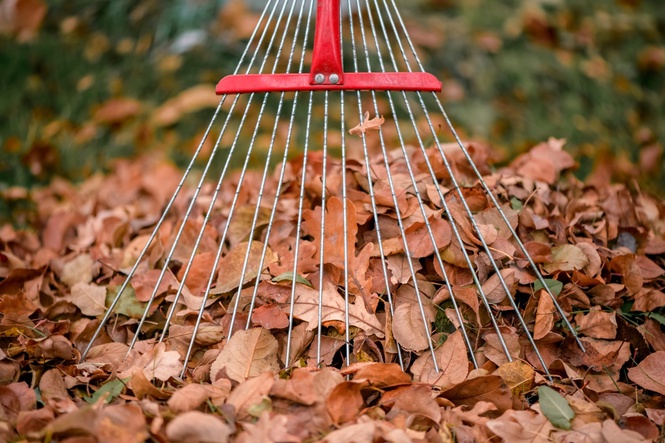
If deciduous trees surround your property, you might already have access to a substantial supply of free garden mulch. Fallen leaves can help insulate plant roots, protect exposed soil, and contribute organic matter as they decompose. Shredding some of those leaves can help prevent them from forming dense mats in areas where airflow and drainage are important. Penn State Extension’s leaf recycling guidance highlights their potential as a valuable landscaping resource rather than disposable yard waste. Before purchasing another stack of mulch bags, consider which garden beds could benefit from the leaves you’ve already collected.
Getting the Timing Right Matters More Than the Price
Applying winter protection too early can interfere with the natural transition into dormancy for certain plants. In cold climates, the University of Minnesota Extension advises applying protective mulch to perennials and bulbs once the ground begins freezing. This helps moderate temperature fluctuations that might otherwise damage roots or encourage premature growth. Keep dense mulch away from vulnerable plant crowns and tree trunks, and adjust its depth for the particular planting. An expensive bagged product won’t compensate for inappropriate application.
2. Fertilizer Your Garden Doesn’t Actually Need
Seasonal fertilizer displays can make it seem as though every plant needs one final feeding before cold weather arrives. In reality, fertilizer requirements depend on plant species, growth cycles, soil conditions, and local climate. Adding unnecessary nutrients can waste money, contribute to water pollution, or encourage tender growth at an inappropriate time. A 2026 fall gardening guide from University of Minnesota Extension highlights soil testing as a useful way to determine which amendments are genuinely necessary. Rather than buying another general-purpose fertilizer, find out whether your soil has a nutrient deficiency that needs addressing.
A Soil Test Could Replace Several Purchases
Without testing, gardeners sometimes purchase lime, fertilizers, and other amendments based entirely on assumptions about their soil. However, an amendment intended to correct one problem may create another when applied unnecessarily. For instance, adding lime to soil that already has an appropriate pH could make certain nutrients less available to plants. Contact your local cooperative extension service to investigate affordable soil testing options and interpretation of the results. Spending a modest amount on useful information could prevent considerably more expensive mistakes.
3. Brand-New Frost Protection Covers
Commercial frost cloth can be useful, but purchasing a collection of new covers isn’t always necessary for occasional light frosts. Old bedsheets and lightweight blankets may provide temporary protection for suitable plants when supported above the foliage. Covers should extend toward the ground to help retain heat, while avoiding excessive weight on delicate stems. Remove ordinary fabric coverings when temperatures recover sufficiently so plants receive light and ventilation. Remember that improvised covers have limitations and won’t reliably protect tender plants during prolonged or severe freezes.
Use What You Already Own Before Buying More
Take inventory of old garden hoops, stakes, plant cages, and clean pieces of suitable fabric. These materials can sometimes be combined to create temporary protective structures without buying specialized equipment. Avoid placing ordinary plastic directly against foliage because contact points can experience cold damage and condensation problems. Containers with tender plants may be better moved into an appropriate protected location instead of repeatedly covered outdoors. Choose the protection method based on the plant’s needs rather than assuming every container requires its own commercial winter cover.
4. Replacement Pots and Seed-Starting Containers
Autumn clearance sales frequently include inexpensive pots, propagation trays, and containers intended for next year’s garden. However, the trays and nursery pots you’ve accumulated throughout the growing season may still be perfectly usable. Remove old soil, clean the containers, and disinfect them appropriately when necessary, particularly if they previously housed diseased plants. Check drainage holes, cracks, and signs of material deterioration before putting everything into winter storage. Reusing suitable containers can eliminate a surprisingly common recurring expense when spring planting begins.
Store Containers Properly So They Last Longer
Leaving empty pots outside filled with wet soil can expose them to unnecessary freeze-thaw damage. Certain terracotta and ceramic containers are particularly vulnerable when absorbed moisture freezes and expands. After cleaning empty pots, store susceptible materials somewhere sheltered and reasonably dry. Stack compatible plastic containers carefully so they don’t become damaged or permanently wedged together. A little preparation now could prevent you from replacing containers that otherwise have several useful seasons remaining.
5. Disposable Yard Waste Bags for Healthy Garden Debris
Bagging every fallen leaf and healthy garden cutting can create an unnecessary cycle of spending and disposal. You pay for bags, remove useful organic matter, and potentially purchase compost or mulch to replace it later. Suitable healthy plant debris can instead become part of a backyard composting system or be reused in appropriate garden areas. Penn State Extension’s fall garden guidance distinguishes reusable organic material from diseased debris that may need separate disposal. Avoid adding invasive plants, problematic seeds, or infected material to an ordinary compost pile unless your composting method can safely handle them.
How Much Could You Keep in Your Gardening Budget?
Consider a hypothetical fall shopping list containing eight $5 mulch bags, $25 worth of fertilizer, two $20 frost covers, $30 in containers, and $15 in yard waste bags. The combined purchases would total $150 before sales tax or transportation expenses. Eliminating the items you don’t actually need could free up money for spring plants, seeds, or genuinely necessary equipment. Your savings will depend on the materials you already own and the requirements of your garden. Even substituting free materials for just two or three purchases can make seasonal gardening considerably more affordable.
Preparing your plants for winter is about understanding their needs rather than purchasing every product marketed for cold weather. Fallen leaves, reusable containers, appropriate household materials, and careful soil management can accomplish many important seasonal tasks. Spend money where it addresses a genuine problem, such as adequate protection for vulnerable plants or a necessary soil amendment. Everything else can stay on the garden center shelf until you have a specific reason to buy it.
Which gardening supplies have you stopped buying because you discovered a free or inexpensive alternative that works just as well?
The post 5 Gardening Supplies You Can Stop Buying Before Winter appeared first on Frugal Gardening.