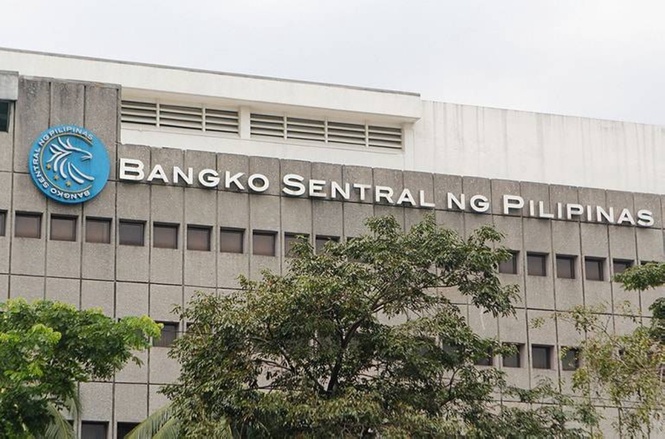
THE Bangko Sentral ng Pilipinas (BSP) on Monday said it was targeting to begin producing polymer banknotes locally next year as it works to develop the technical expertise and operational capacity needed to reduce the country’s dependence on imported currency.
“It will happen sometime in 2027 because we want to produce our own [polymer],” BSP Deputy Governor Mamerto Tangonan said, stressing the need to learn how to operate the polymer production lines so that the central bank will not have to rely on imports.
The central bank does not have its own facilities to print polymer banknotes. The new polymer banknotes are printed by Note Printing Australia, a subsidiary of the Reserve Bank of Australia.
The BSP launched its first 1000-piso polymer banknote and started circulation alongside the 1000-piso cotton-abaca paper banknote in 2022.
To complement this, the central bank introduced the first local polymer banknote series in 1000-piso, 500-piso and 50-piso denominations in 2024.
Data from the central bank showed that fit deposits, or reusable banknotes returned by banks, jumped 32.3 percent in 2025 from 4.6 percent a year earlier, largely due to a 35.2 percent increase in reusable P1,000 banknotes, with polymer notes accounting for 46.4 percent of these deposits.
The BSP said the higher return rate of reusable polymer P1,000 notes also reduced the need to issue newly printed bills.
Countries that shifted to polymer banknotes include Canada, Australia, New Zealand, Malaysia, Mexico, Fiji and Vietnam.
Tangonan said they must first learn to operate its polymer production lines while ensuring that the supply of banknotes remains sufficient throughout the transition.
He emphasized that maintaining an adequate supply of banknotes remained a priority while the capability to manufacture polymer currency locally was being developed. One polymer production line has a capacity of about 500 million pieces annually, providing the central bank with substantial potential manufacturing capacity once it is able to operate the facility.
“It’s a good practice to run only one product at the time because when you change the brand, you have to change the plate and bring the machines down; you have to clean it,” he added.
Tangonan said production runs could last several months or even an entire year for a particular denomination, depending on its requirements and inventory position.
“We have a production plan for the whole year,” Tangonan said.
He said the BSP may change its production schedule when necessary, particularly when an unexpected event causes a sharp increase in demand for a particular denomination.
“For example, if there is a sudden shock in demand due to a particular event, causing demand to increase by 50 or 100 percent, and we are already producing high-denomination bills but suddenly need to produce low-denomination bills,” Tangonan said.
“Situations like that could warrant an adjustment,” he added. “However, given the way we manage our inventory now, such adjustments are no longer necessary, even when we experience these kinds of shocks.”
Delays in outsourced banknote deliveries could also affect supply planning, underscoring the importance of maintaining sufficient inventory.