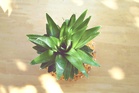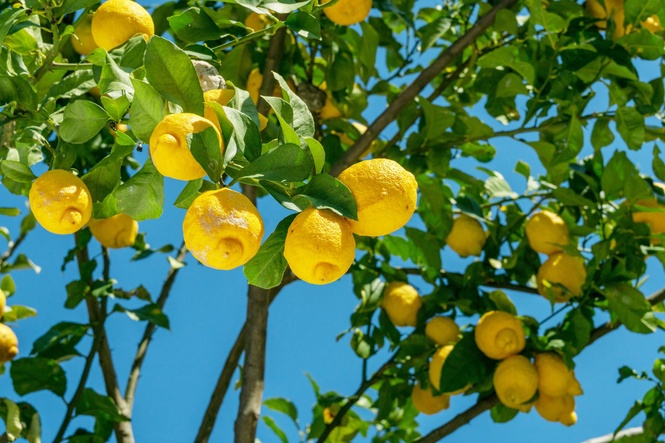
The next time you slice open a lemon, take a closer look at the seeds before tossing them into the trash. Those tiny seeds can grow into actual lemon trees, and starting one costs practically nothing if you already have the fruit. It’s the kind of gardening experiment that sounds almost too good to pass up, especially when nursery-grown citrus trees can be expensive. But there’s a catch that many gardeners don’t discover until they’ve spent years caring for their little tree. Growing a lemon tree from seed is relatively easy, while getting that tree to produce lemons is an entirely different challenge.
Yes, Grocery Store Lemon Seeds Can Actually Grow
You don’t need special seeds from a garden center to start a lemon tree. Seeds removed from a ripe grocery-store lemon can germinate and develop into healthy citrus seedlings under suitable conditions. The University of Florida IFAS Extension explains that citrus seeds can be planted in an appropriate growing medium and may emerge within two to three weeks under favorable conditions. Warm temperatures, sufficient moisture, and a well-draining seed-starting mix help support successful germination. However, producing a healthy seedling is only the first step in a process that could take many years before any fruit appears.
The Biggest Surprise Is How Long Fruiting Can Take
A lemon tree grown from seed doesn’t necessarily begin producing fruit as soon as it reaches a reasonable height. Seed-grown citrus must pass through a juvenile stage before it becomes capable of flowering and producing mature fruit. Mississippi State University Extension notes that citrus grown from seed may take seven to eight years to produce fruit in field conditions. Some trees take longer, and plants grown indoors may never develop the conditions needed to produce a harvest. That’s a substantial commitment for anyone expecting a steady supply of homegrown lemons within a year or two.
Your Lemons May Not Look Like the Original Fruit
Planting a seed from a particularly juicy lemon doesn’t guarantee that the resulting tree will produce identical fruit. Citrus genetics can be complicated, and seedlings don’t always reproduce the characteristics of the parent tree. The University of Wisconsin Horticulture Extension explains that citrus grown from seed may produce fruit that differs from the original variety. Some seedlings may develop desirable characteristics, while others could eventually produce fruit with different size, flavor, or quality. If your goal is to reproduce a specific lemon variety reliably, a nursery-grown tree propagated from known plant material is usually a better choice.
How to Start a Lemon Tree Without Spending Much
Begin by removing several plump seeds from a fresh lemon and rinsing away the surrounding fruit pulp. Prepare a small container with drainage holes and fill it with a clean, well-draining seed-starting or potting mix. Plant the seeds approximately one-quarter to one-half inch deep, following the planting range described by the University of Florida IFAS Extension. Keep the growing medium consistently moist without allowing it to become waterlogged, and place the container somewhere warm. Once seedlings emerge, provide plenty of bright light and gradually adjust their growing conditions as they develop.
A Sunny Window May Not Provide Enough Light
Lemon trees need substantial light to develop strong growth and eventually support flowering. A window that seems bright to you may provide considerably less light than the plant would receive outdoors. The University of Minnesota Extension explains that citrus can be grown as houseplants, but obtaining fruit indoors is more difficult than simply keeping the plants alive. Insufficient light can contribute to weak growth and make flowering less likely, particularly during short winter days. A suitable grow light may help, although the electricity and equipment costs should be considered if saving money is your primary goal.
Your Seedling Could Become a Very Large Tree
A tiny lemon seedling may look perfect on a kitchen windowsill, but it won’t necessarily remain compact. Commercial citrus growers often use grafting and selected rootstocks to control tree size and improve performance. Iowa State University Extension explains that seed-grown citrus may become much larger than the grafted varieties commonly sold for indoor growing. These trees can also develop substantial thorns, creating another challenge when they’re grown in small living spaces. Regular pruning may help manage their shape, but it doesn’t transform a vigorous seedling into a genetically dwarf variety.
Cold Weather Can Quickly Ruin Your Progress
Lemon trees aren’t suited to year-round outdoor growing in most areas that experience freezing winter temperatures. A tree that thrives on a sunny patio in July may suffer serious damage if left outside during a cold autumn night. University of Illinois Extension advises moving citrus outdoors gradually when spring temperatures are consistently above 50 degrees Fahrenheit and bringing plants inside before temperatures fall into the 40s. The transition should be gradual because sudden changes in light and temperature can stress the plant. Gardeners in colder climates should plan for sufficient indoor space long before the tree outgrows its original container.
Watering Mistakes Can Be More Damaging Than You Expect
Citrus roots need moisture, but they also require oxygen and adequate drainage. Keeping the potting mix constantly saturated can damage roots and contribute to leaf loss or poor growth. The University of Minnesota Extension emphasizes appropriate growing conditions, including suitable soil and careful indoor plant maintenance. Rather than watering on a rigid daily schedule, check the growing medium and water when the plant actually needs moisture. A container with drainage holes is especially important because excess water needs somewhere to escape.
Will a Lemon Tree Produce Fruit Without Another Tree?
Fortunately, gardeners generally don’t need to grow two lemon trees simply to obtain fruit. Many citrus varieties are self-fertile, meaning a single tree can produce fruit when its flowers are successfully pollinated. However, indoor plants may receive little assistance from insects that normally transfer pollen outdoors. The University of Vermont Extension describes using a small paintbrush or cotton swab to help pollinate citrus flowers grown indoors. Successful pollination won’t overcome an immature tree’s juvenile stage, but it may help once the plant is old enough and healthy enough to flower.
A Grafted Lemon Tree May Be Worth the Money
If your primary goal is harvesting lemons, purchasing a grafted tree may save considerable time and frustration. Grafted citrus trees combine desirable fruiting varieties with rootstocks selected for characteristics such as size control or growing performance. Iowa State University Extension notes that grafted citrus can remain more manageable in containers than vigorous seed-grown trees. A nursery-grown dwarf lemon may cost more upfront, but it generally offers a more predictable path toward producing recognizable fruit. Compare that purchase with the years of containers, potting mix, fertilizer, and possible lighting expenses involved in raising a seedling.
Growing From Seed Still Has Real Value
Not every gardening project needs to produce a financial return to be worthwhile. Watching a lemon seed develop roots, leaves, and eventually a small tree can be rewarding for adults and children alike. Starting several seeds also provides an inexpensive opportunity to learn about germination, plant growth, watering, and transplanting. If one seedling eventually produces lemons, that can be an exciting bonus rather than the only measure of success. For gardeners who enjoy experimenting with plants, the experience may justify the time even without a dependable harvest.
The Free Lemon Tree Comes With a Long Wait
Growing a lemon tree from seed is absolutely possible, and the initial cost can be almost nothing. The challenge is that seed-grown citrus may require many years to mature, grow too large for indoor spaces, or produce fruit that differs from the original lemon. Providing adequate light, drainage, warmth, and winter protection can improve the plant’s chances of remaining healthy. If you’re gardening primarily for fruit production, a grafted dwarf tree is usually the more practical investment.
Would you grow a lemon tree from seed knowing it might take eight years or longer to produce its first lemon?
The post Can You Grow a Lemon Tree From a Seed — and Will It Ever Produce Fruit? appeared first on Frugal Gardening.