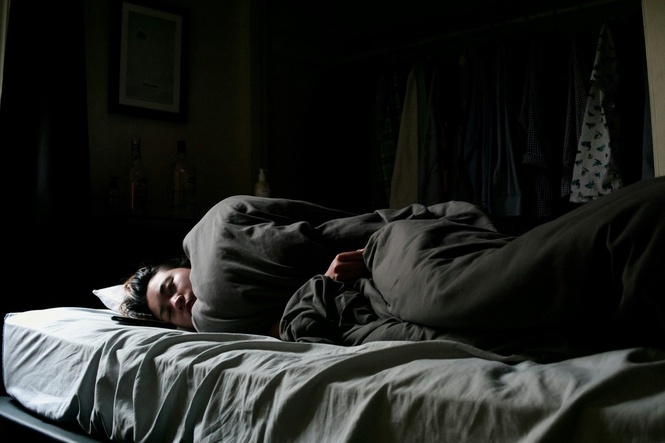
A small clinical trial suggests that magnesium L-threonate, a form of magnesium designed to support brain availability, may help adults with mild sleep problems feel more alert, rested and productive during the day.
The findings, published in Sleep Medicine: X, are encouraging for people who regularly wake feeling unrefreshed after a full night in bed. Yet they are not proof that the supplement can treat insomnia.
“Those taking MgT reported better “behaviour following awakening”, a measure that includes morning alertness, coordination and balance. Improvements were seen after one week and remained evident at the end of the trial”
The study was short, involved relatively few people and found a strong placebo effect, meaning that many participants improved even when they were not taking the active supplement.
Still, the research adds to growing interest in the relationship between magnesium, sleep and mental wellbeing.
Poor sleep is far more than an inconvenience. A rough night can make concentration harder, shorten patience, reduce motivation and leave people relying on caffeine to get through the morning. When sleep disruption becomes persistent, it may also affect mental health, physical activity, blood pressure, metabolism and long-term cardiovascular health.
Many people therefore look to supplements for an accessible solution. Magnesium is among the most commonly discussed options. It is essential for nerve function, muscle activity and energy production, and it may influence pathways involved in relaxation and the body’s sleep-wake rhythm.
The new trial examined whether magnesium L-threonate, known as MgT, could offer a specific advantage. This compound combines magnesium with L-threonate, a substance related to vitamin C metabolism. Laboratory and animal research has suggested that it may increase magnesium availability in the brain more effectively than some other forms of magnesium. Whether this translates into meaningful benefits for sleep in people has been unclear.
Researchers at Wellness Discovery Labs in the United States recruited 80 adults aged 35 to 55 who reported poor sleep but did not have a diagnosed sleep disorder. Participants had mild to moderate insomnia symptoms according to a standard questionnaire, the Insomnia Severity Index.
The study excluded people taking sleep medicines or other supplements, people with sleep-affecting medical conditions, regular smokers, heavy caffeine users and shift workers. People who had recently travelled across time zones or experienced major stressful events were also excluded.
This helped create a more controlled study group. It also means the results should not be applied directly to people with chronic insomnia, sleep apnoea, severe anxiety, depression, menopause-related sleep disturbance or ongoing pain.
Participants were randomly assigned to take either magnesium L-threonate or a placebo for 21 days. The magnesium group took 1 gram of MgT, providing around 75 mg of elemental magnesium, about two hours before bed. The placebo group received lookalike capsules containing rice protein.
Neither the participants nor the study team knew who was taking which product until the analysis was complete. This double-blind, placebo-controlled design is important because it reduces the risk that expectations shape the results.
Participants completed weekly questionnaires on sleep, mood and daytime functioning. They also kept daily diaries recording energy, productivity and possible side effects. Each person wore an Oura Ring, a consumer device that estimates sleep and daily activity through movement, heart rate and other signals.
After three weeks, several results favoured magnesium L-threonate.
The clearest difference involved how people felt after waking. Those taking MgT reported better “behaviour following awakening”, a measure that includes morning alertness, coordination and balance. Improvements were seen after one week and remained evident at the end of the trial.
That may matter more to many people than falling asleep a few minutes faster. Sleep is not only about how long someone lies in bed. It is also about whether they can get out of bed and face the day without feeling mentally blurred or physically drained.
Participants in the magnesium group also reported greater mental alertness, better mood and less grouchiness than those on placebo. Their daily diary entries suggested improvements in energy and productivity.
At the end of the trial, 62% of those taking magnesium L-threonate said they felt more rested when they woke up, compared with 29% of people taking placebo. Fifty-nine per cent of the magnesium group said they felt more alert during the day, versus 26% of placebo participants.
More people in the MgT group also said their sleep felt more refreshing. They were more likely to report better concentration, increased daytime energy and improvements in perceived physical and mental health.
The results may appeal to people whose main sleep complaint is not necessarily a lack of hours, but a lack of restoration. It is possible to spend seven or eight hours in bed and still wake feeling as though the night did not do its job.
The wearable data offered further signals of possible benefit. The researchers reported that magnesium L-threonate performed better than placebo on several Oura Ring measures, including deep-sleep score, REM-sleep score, activity score, daily movement score and readiness score.
Deep sleep is often considered the night’s repair shift. It is associated with physical recovery and memory-related processes. However, the study did not clearly show that magnesium L-threonate increased the actual number of minutes spent in deep sleep. It found a difference in Oura’s “deep sleep score”, which is calculated using the company’s own algorithm.
That distinction is important. Consumer wearables can help people spot broad trends in their sleep, activity and recovery. They cannot replace a sleep laboratory assessment, and their scores are not diagnoses.
The study also did not show a clear improvement in total sleep time, sleep efficiency or overall sleep score. Magnesium L-threonate did not appear to help participants fall asleep faster either. In fact, there was a borderline difference suggesting slightly longer sleep latency in the MgT group, although that result should be interpreted carefully.
The most realistic interpretation is that magnesium L-threonate may have supported how participants felt after sleep, rather than substantially changing how much they slept.
There was also a major caution in the results, placebo participants improved on many questionnaire measures too. This is common in sleep research. When people join a trial, take a nightly capsule and pay close attention to their sleep, they may change other behaviours without realising it. They may go to bed more consistently, cut back on late-night screens, avoid alcohol or simply feel reassured that they are taking action.
Those effects are real, even if they are not caused by the active supplement. They make it more difficult to separate the effect of magnesium L-threonate from the effect of expectation and routine.
The study authors noted that placebo improvements tended to occur early and then level off. The magnesium group appeared to continue improving over the three weeks. That is an interesting pattern, but a 21-day study is too brief to establish whether the difference would persist.
Safety findings were broadly reassuring. Four possible adverse events were recorded in the magnesium group, including night waking and leg cramps. Thirteen were recorded in the placebo group. No serious product-related safety concerns were reported.
Even so, supplements are not risk-free. Magnesium can cause digestive upset, particularly at higher doses or in some formulations. It can interfere with the absorption of medicines including some antibiotics, thyroid treatments and osteoporosis drugs. People with kidney disease should seek professional advice before taking magnesium supplements, as impaired kidneys can struggle to remove excess magnesium from the body.
The trial also has limitations beyond its short duration. It involved 76 people who completed the study, mostly women and mostly White adults. It was funded by AIDP Inc., which has commercial interests in the ingredient category, while the supplement was supplied by its manufacturer. Such funding does not automatically undermine the research, but it makes independent replication especially important.
The study assessed numerous sleep, mood and wearable outcomes. When researchers test many measures, some apparently positive findings can occur by chance. Larger trials, lasting longer and involving more diverse participants, are needed before health professionals can confidently recommend magnesium L-threonate for sleep.
For people with occasional restless nights, the supplement may be worth discussing with a pharmacist or healthcare professional. It should be seen as a possible supportive measure, not a cure.
Persistent sleep problems need proper attention. Loud snoring, pauses in breathing, waking short of breath, severe daytime sleepiness, restless legs, worsening low mood or dependence on alcohol or sedative medicines are all reasons to seek medical advice.
For chronic insomnia, the best-supported first-line treatment remains cognitive behavioural therapy for insomnia, known as CBT-I. This structured approach addresses the habits, thought patterns and sleep-related worries that can keep insomnia going. Regular wake times, careful caffeine timing, reduced evening alcohol, a dark quiet bedroom and consistent exposure to morning daylight can also make a meaningful difference.
The study offers a useful reminder that sleep quality is not defined only by hours. The real test is often what happens the next morning, whether you can think clearly, move comfortably, manage your mood and take part in the day.
Magnesium L-threonate may eventually prove helpful for some people with mild sleep complaints. For now, it is a promising early finding that deserves further research, not a substitute for proven sleep care.
The post Magnesium Supplement May Improve Sleep Quality and Daytime Alertness, Trial Shows first appeared on PP Health Malaysia (PPHM) | 10POINTS Evidence-Based Health News.