.png)
There is a question I have become increasingly obsessed with as I grow older. Why do people who grew up in the same house remember things so differently?
Ask a mother about her family and she might tell you about all the sacrifices she made.
Ask her children and they might tell you about the wounds they still carry.
Ask a father and he might tell you how hard he worked to provide.
Ask his children and they might remember a man who was never around.
Nobody is necessarily lying. Yet somehow everyone has their own version of the truth.
The older I get, the more convinced I become that there is no such thing as a shared family history. There are only competing versions of the same story.
Perhaps that is why family arguments can last decades. We assume we are arguing about facts. In reality, we are arguing about feelings. One person remembers sacrifice, another remembers pressure. One remembers protection, another remembers control. One remembers love, another remembers pain.
The facts may be identical. The meaning rarely is.
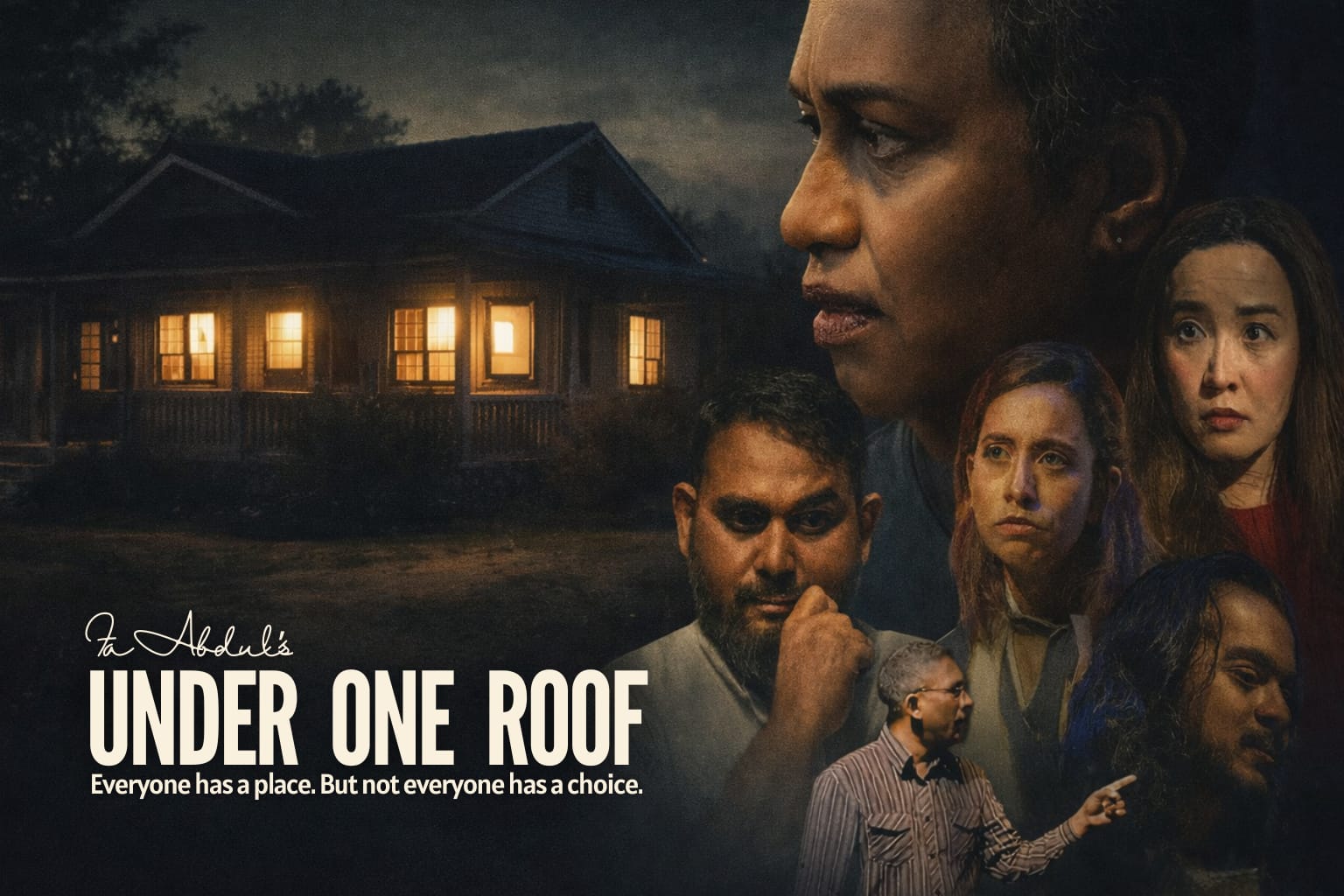
Recently, while writing and directing the stage play Under One Roof, I found myself returning to these questions again and again.
The play centres on Mala, a single mother who spent decades raising her children after leaving a marriage broken by infidelity. To Mala, the story is simple. She survived. She protected her children. She held the family together.
But her children remember the story differently.
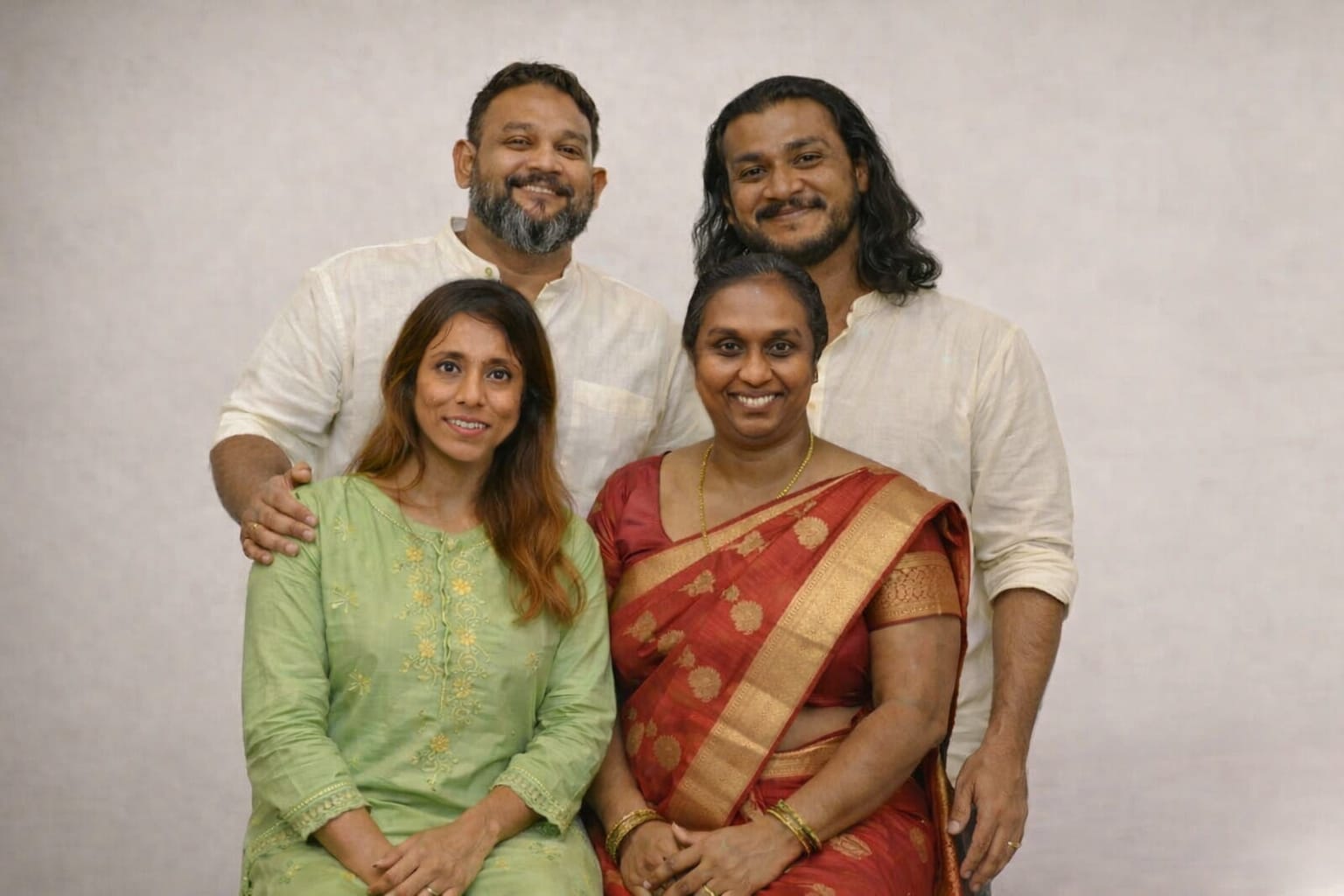
Prabhu, the eldest son, believes responsibility gives him the right to lead. Priya built a life away from home but discovers that distance does not always free us from family. Pravin, the youngest, struggles to balance loyalty to his family with the need to find his own voice. Even Eileen, Prabhu's wife, finds herself navigating a household where she never quite feels she belongs.
Then there is Prasad, the father who once walked away and now returns believing he still has a place in the lives of the children he left behind.
None of them see the family in quite the same way.
None of them are entirely right.
None of them are entirely wrong.
And perhaps that is what makes family so fascinating.
As a society, we celebrate parents who sacrifice everything for their children. We tell stories about mothers who endure hardship and fathers who work tirelessly to provide.
What we talk about less is the possibility that even our greatest sacrifices can leave scars.
A mother can give everything she has and still be blamed.
A father can genuinely believe he did his best and still be resented.
A child can spend years trying to understand their parents and still carry anger.
Family is perhaps the only institution where love and hurt can exist in exactly the same place.
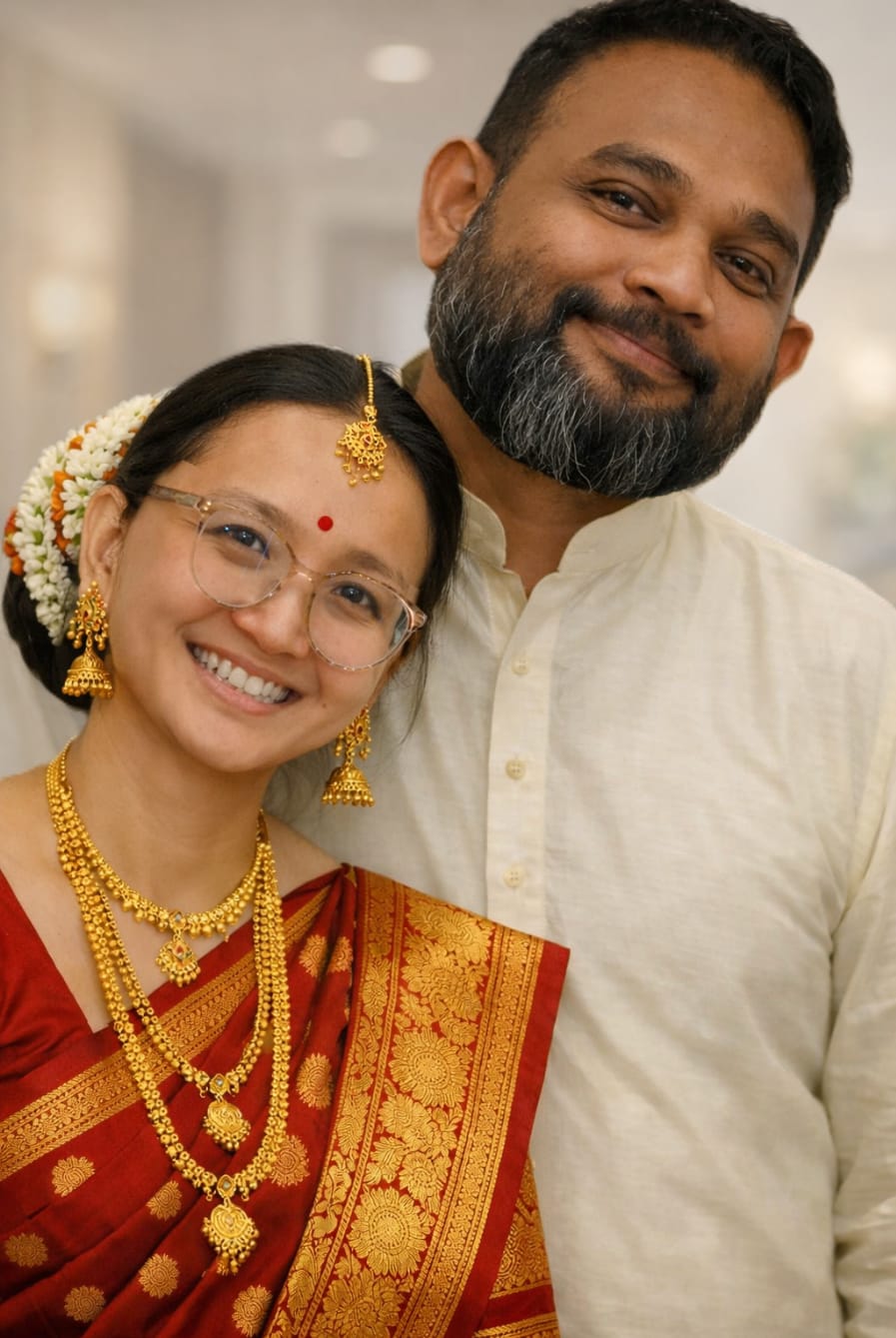
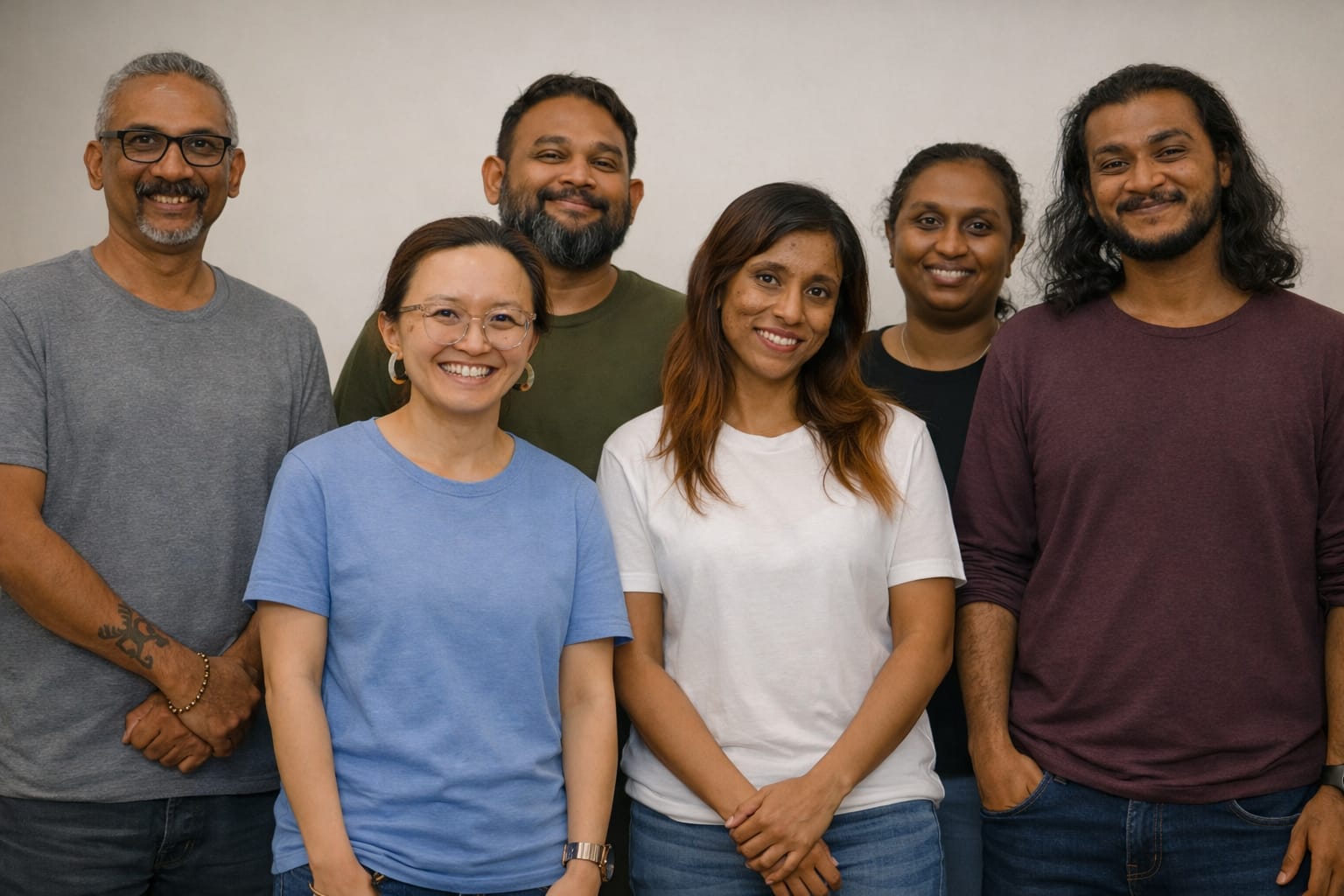
During rehearsals, I discovered that almost every member of the cast found pieces of themselves in the story. Not because they came from similar families, but because family itself is universal.
Different races. Different religions. Different cultures. Yet we all seem to carry the same unfinished conversations. The things we never said. The choices we never understood. The people we never quite forgave.
Perhaps that is why family dramas continue to resonate. Not because they offer answers, but because they remind us that most families are still trying to make sense of their own stories.
As I worked on Under One Roof, I kept returning to a thought that felt both uncomfortable and strangely liberating.
What if nobody in a family ever gets the full story right?
What if the mother who sacrificed everything is telling the truth?
What if the child who still carries pain is telling the truth too?
What if the father who believes he did his best is also telling the truth?
Perhaps healing does not begin when we finally agree on what happened.
Perhaps it begins when we accept that the people we love may remember the same story very differently.
Because family is rarely about facts alone.
It is about memory. And memory is shaped as much by what we felt as by what actually happened.
Maybe that is the greatest family mystery of all. Nobody remembers everything. Yet everybody remembers enough to believe they are right.
And somewhere between those competing versions of the truth lies the story of every family. Including our own.
Under One Roof will be staged at Auditorium A, Komtar, Penang from 26–28 June 2026. The production is presented by Big Nose Productions and supported by the Penang State Government.
Performed primarily in English, Under One Roof is carefully woven with Tamil dialogue that reflects the rhythm, intimacy, and cultural grounding of the household it portrays.
Given the deeply personal themes explored in the production, each performance will be followed by a post-show dialogue session with the cast and production team.
More information and ticket reservation are available here.
Fa Abdul (fa.abdul.penang@gmail.com) is a content creator under the Newswav Creator programme, where you get to express yourself, be a citizen journalist, and at the same time monetize your content & reach millions of users on Newswav. Log in to creator.newswav.com and become a Newswav Creator now!
The User Content (as defined on Newswav Terms of Use) above including the views expressed and media (pictures, videos, citations etc) were submitted & posted by the author. Newswav is solely an aggregation platform that hosts the User Content. If you have any questions about the content, copyright or other issues of the work, please contact creator@newswav.com.