Introduction
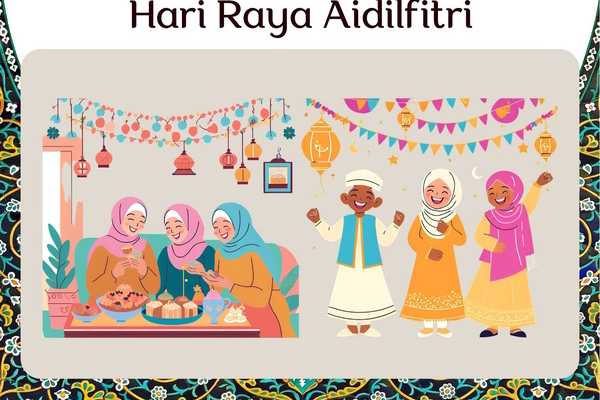
Hari Raya Puasa, also known as Eid al-Fitr (开斋节), marks the end of Ramadan and is a significant festival for Muslims worldwide. The Hui people, China's largest Muslim ethnic group, celebrate it by blending Islamic customs with Chinese traditions. Despite being a minority, they have preserved their religious identity while integrating with Chinese culture.
Historical and Cultural Background of the Hui
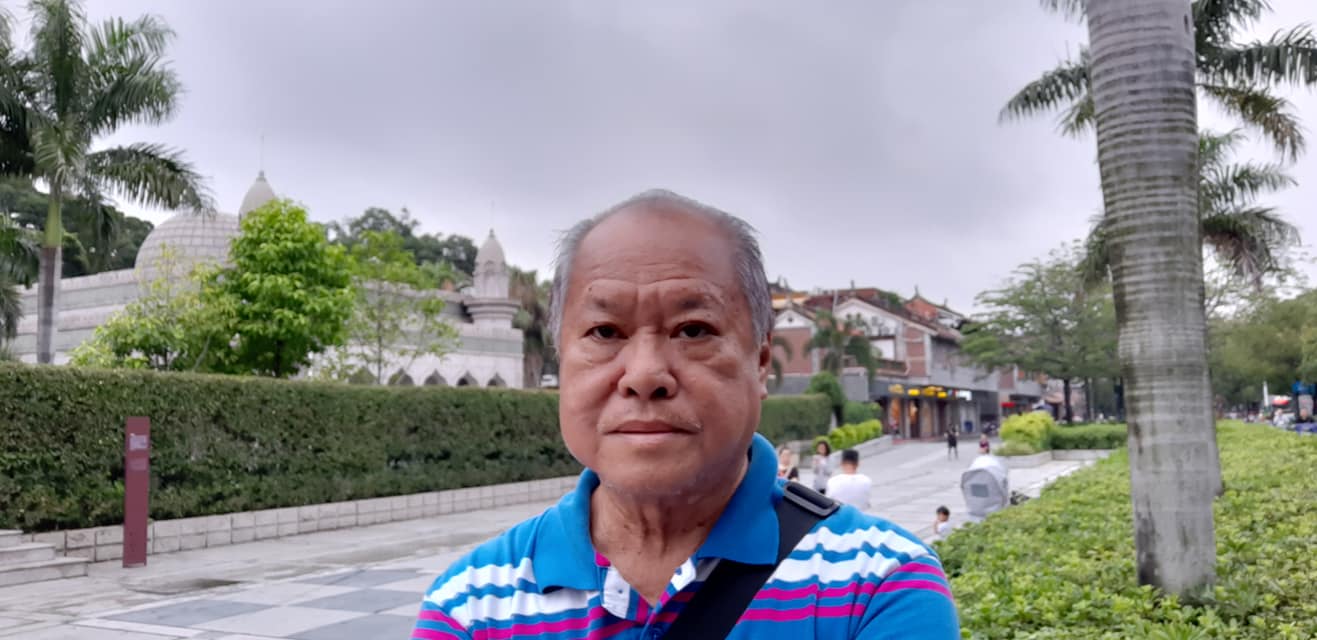
The Hui is one of China's 56 officially recognized ethnic groups, with over 10 million people. Unlike the Uyghurs, their mother tongue is Mandarin and share many cultural aspects with the Han Chinese, but their Islamic faith distinguishes them. Their ancestry traces back to Persian, Arab, and Central Asian traders who arrived via the Silk Road during the Tang Dynasty (618–907 AD). By the Yuan Dynasty (1271–1368 AD), Islam had firmly taken root in China, and the Hui played vital roles in governance and trade. Today, they are mainly concentrated in Ningxia, Gansu, Qinghai, and Yunnan. In Hainan Island, there is also a small Muslim community, and this community is also classified as Hui by the Chinese government although their ancestors are Chams and Malay (probably stranded fishermen from the East Coast of Malaya in olden days) from Cambodia.
Observance of Ramadan Among the Hui
During Ramadan (斋月), Hui Muslims fast from sunrise to sunset as an act of devotion. The daily fast is broken at sunset with an iftar (开斋) meal, starting with dates and tea, followed by various traditional dishes. Mosques become centres for communal prayers, Quran recitations, and spiritual reflection. Despite work and daily responsibilities, the Hui remain steadfast in their religious practices, engaging in charity to support the less fortunate, in line with Islamic teachings.
Preparations for Hari Raya Puasa (开斋节)
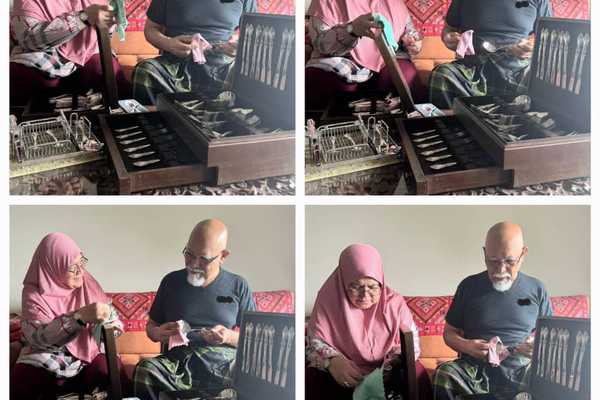
As Eid approaches, Hui families clean their homes, symbolizing renewal. They buy new clothes, especially for children, and prepare festive halal dishes that blend Islamic and Chinese flavour. Popular dishes include hand-pulled beef noodles (牛肉拉面), lamb skewers (羊肉串similar to satay), steamed buns, and sweet pastries. Families also fulfill their Zakat (天课) obligations, ensuring that the less privileged can celebrate Eid as well.
Markets bustle with activities as Hui communities purchase ingredients and decorations. Gifts for children and relatives, such as sweets and money (压岁钱Ya Sui Qian, similar to Ang Pau in Malaysia), add to the festive spirit, reinforcing values of generosity and familial love.
Celebration and Traditions on Hari Raya Puasa
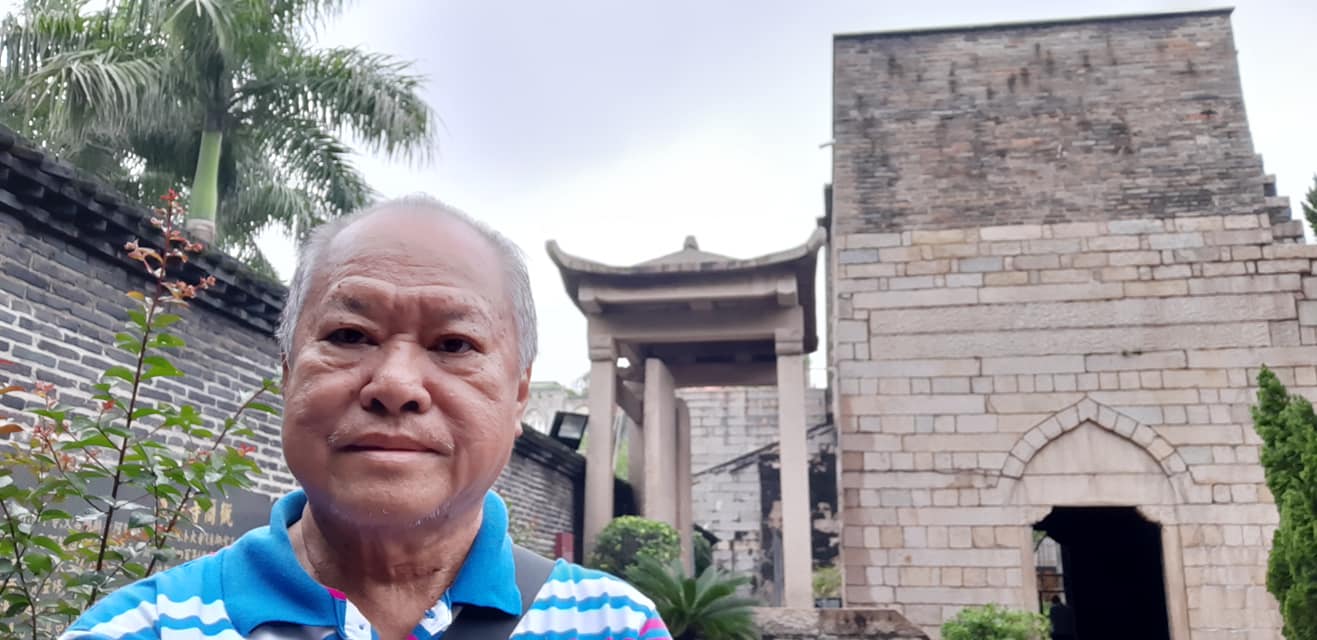
Eid morning begins with a special prayer (会礼) at the mosque, where Hui men wear traditional white caps (白帽) and women don colourful headscarves. The sermon emphasizes gratitude, unity, and renewal. A key tradition is visiting ancestral graves (扫墓) to honour the deceased with Quranic recitations and prayers.
Families then gather for a grand feast featuring dishes like roasted lamb, beef dumplings, and rice-based sweets. Elders give children money as a blessing, similar to the red envelope (红包) tradition during Chinese New Year. Warm greetings of "Eid Mubarak" (开斋节快乐) are exchanged, fostering a spirit of unity and joy.
Communities also host open-air banquets, inviting neighbours, including non-Muslims, to partake in the celebration. This inclusive approach strengthens social bonds and promotes mutual respect between different ethnic groups.
Community Gatherings and Social Harmony
Hari Raya Puasa highlights the Hui's emphasis on community and interethnic harmony. Living alongside Han Chinese overwhelming majority and other groups, the Hui use the festival to reinforce good relations with their neighbours. In Ningxia and Yunnan, cultural performances accompany the celebrations, featuring Hui music, calligraphy exhibitions (including Arabic calligraphy), and martial arts displays. Charity events distribute food and clothing to the needy, reflecting Islamic principles of generosity.
Inviting non-Muslim friends to join the celebrations helps dispel misconceptions about Islam, fostering inclusiveness and cultural exchange. This interaction strengthens cooperation and understanding among China's diverse ethnic communities.
Younger Hui Muslims, especially in big cities, balance modern lifestyles with religious practices, blending tradition with contemporary expressions of faith.
Conclusion
Hari Raya Puasa is a vital festival for the Hui people, showcasing their devotion, cultural heritage, and resilience. Despite being a minority, they have preserved their religious customs while harmonizing them with Chinese traditions. The festival strengthens family ties, fosters community spirit, and promotes interethnic harmony. As they continue to celebrate Hari Raya Puasa, the Hui reaffirm their faith, unity, and role in China's multicultural society.
Share your #RAYA2025 stories and stand a chance to win prizes worth up to RM6,200!
Find out how to join here. Don’t miss out! T&Cs apply.
Moy Kok Ming (moykokming@gmail.com) is a content creator under the Newswav Creator programme, where you get to express yourself, be a citizen journalist, and at the same time monetize your content & reach millions of users on Newswav. Log in to creator.newswav.com and become a Newswav Creator now!
The User Content (as defined on Newswav Terms of Use) above including the views expressed and media (pictures, videos, citations etc) were submitted & posted by the author. Newswav is solely an aggregation platform that hosts the User Content. If you have any questions about the content, copyright or other issues of the work, please contact creator@newswav.com.