

IAEA's view on the Role of Large Reactors and Small Modular Reactors (SMRs) in nuclear power expansion to reach Net Zero
Large Reactors Poised to Lead the Nuclear Power Expansion as Small Modular Reactors Advance (https://www.iaea.org/bulletin/large-reactors-poised-to-lead-the-nuclear-power-expansion-as-small-modular-reactors-advance)
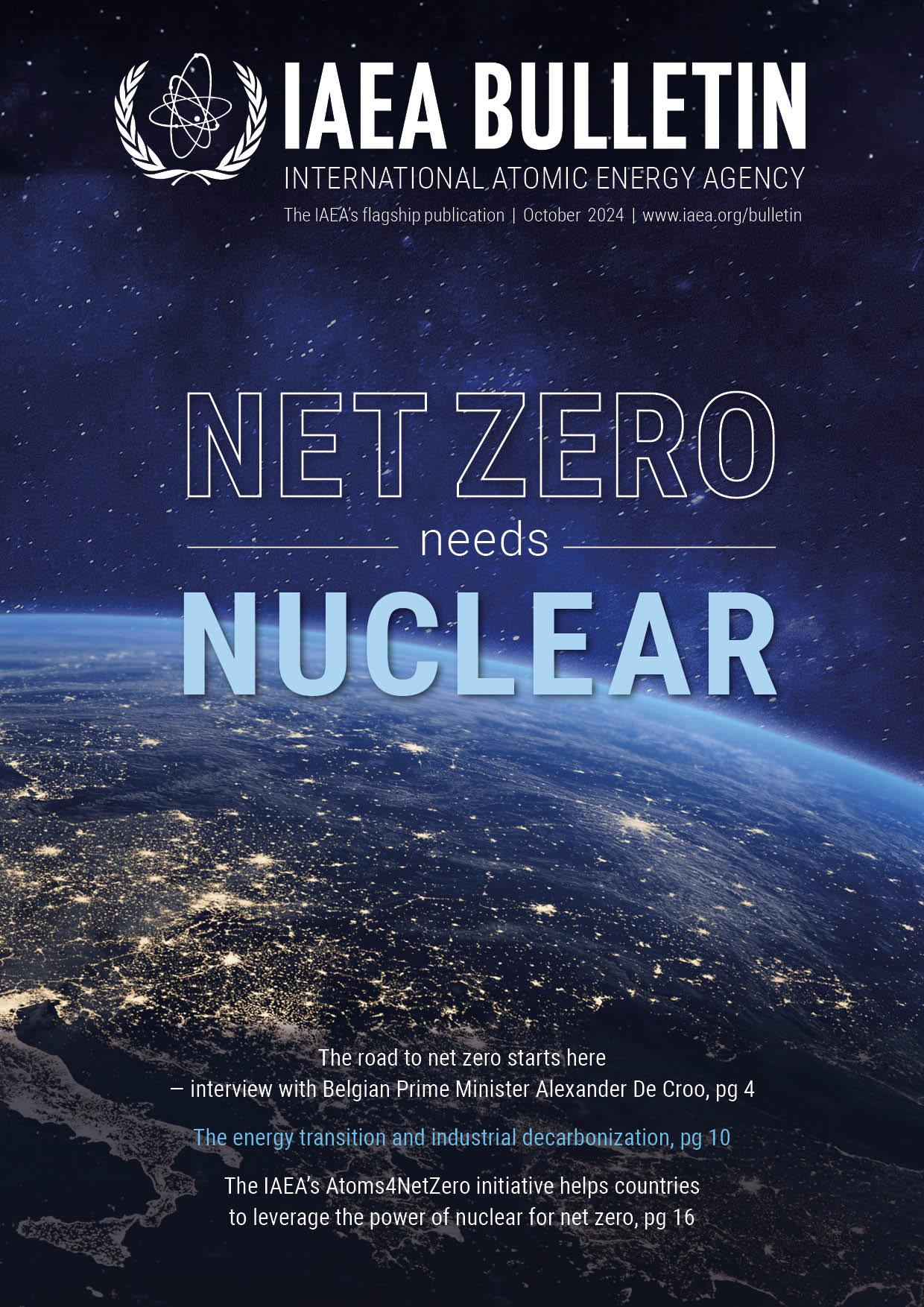
The IAEA reported in its Bulletin published on October, 2024 Vol. 65-3 (Fig 43) that Scaling up nuclear power to the level needed to achieve net zero is a significant and multifaceted undertaking, and while many reactor types may play a role, large reactors are set to lead the way. ( Fig 44)
Fig 43: IAEA Bulletin Vol. 65-3, published on October, 2024
Source (https://www.iaea.org/bulletin/65-3)
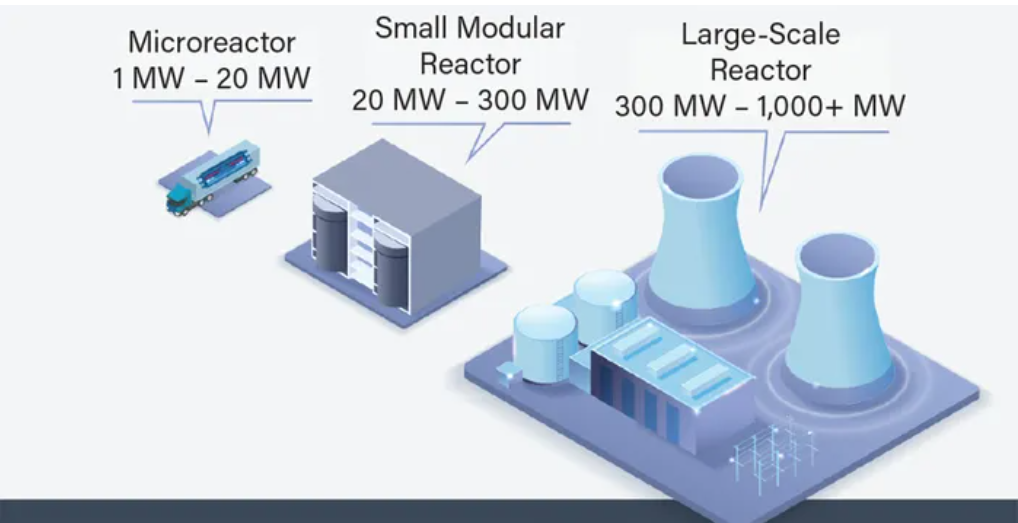
TYPES OF NUCLEAR POWER REACTORS; Large reactors, SMRs and Micro-reactors
Fig 44a: Many reactor types will play a role in achieving net zero and this will be lead by large reactors: Types of Reactors and their capacity. Small modular reactors (SMRs) have a power capacity of up to 300 MW(e) per unit. Many SMRs, which can be factory-assembled and transported to a location for installation, are envisioned for markets such as industrial applications or remote areas with limited grid capacity
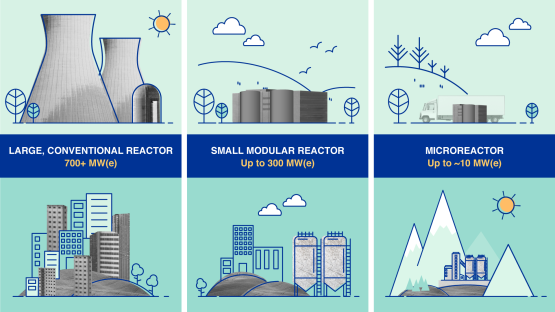
Fig 44b: Many reactor types will play a role in achieving net zero and this will be lead by large reactors: Comparison between a conventional, small modular reactor, and microreactor (i.e., vSMR) in terms of their sizes and generated power
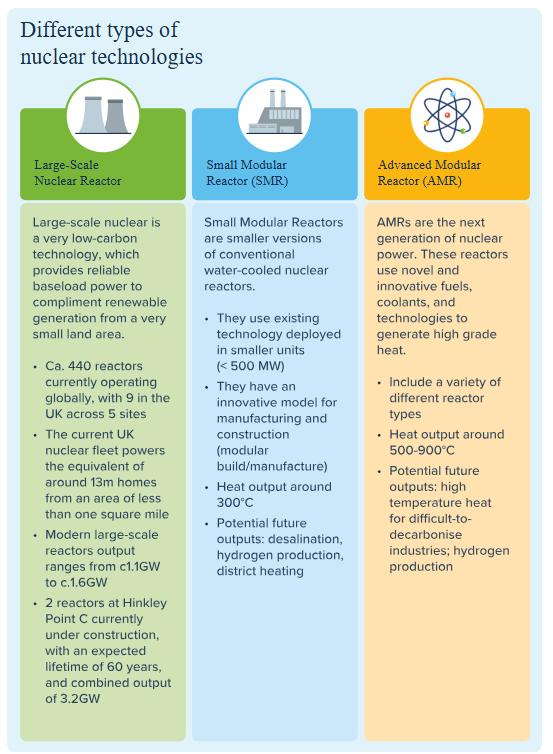
Large water cooled reactors [ Pressurized Water Reactor (PWR) and Boiling Water Reactors (BWRs)] were central to the rise of the nuclear industry in the 20th century, ( Fig 45 ) and the advanced reactors planned or under construction today many of which are in the 1–1.7 gigawatts (electrical) (GW(e)) range, are poised to provide the bulk of new nuclear capacity. ( Fig 46)
Fig 45 Four Generations of Nuclear Reactor Designs; with large water cooled reactors dominant in the 20th Century
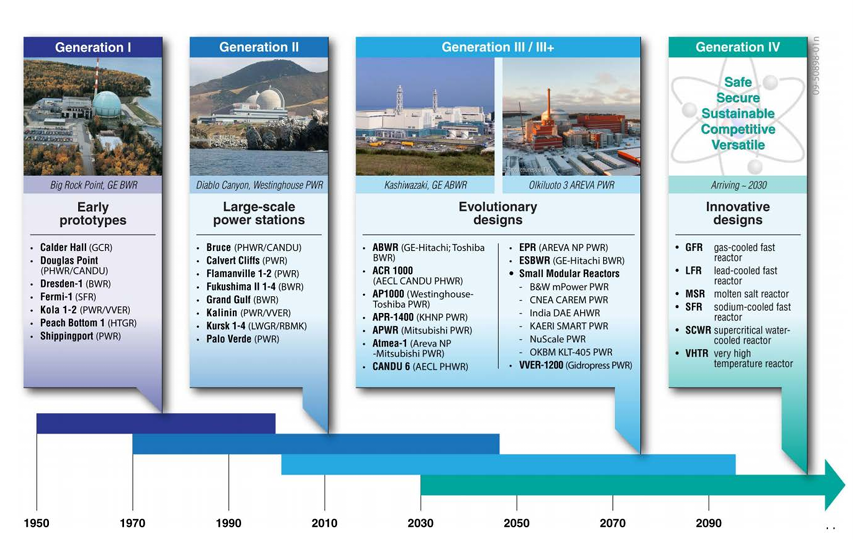
Fig 46: Different Types of Nuclear Power Reactors
NUCLEAR REACTORS IN OPERATION WORLDWIDE AS OF 12 JULY 2025, IAEA
The International Atomic Energy Agency (IAEA) had reported that as of 12 July 2025, there are approximately 416 operational nuclear reactors worldwide, with a net capacity of 376,261 MWe, spread across 31 countries. ( Table 1, Fig 47-Fig 48) The United States has the most operational reactors (94), followed by Franc and China each with 57 nuclear power reactors ( Table 1 and Fig 48)
Table 1: Number of Reactors in Operation Worldwide as of 12 July 2025
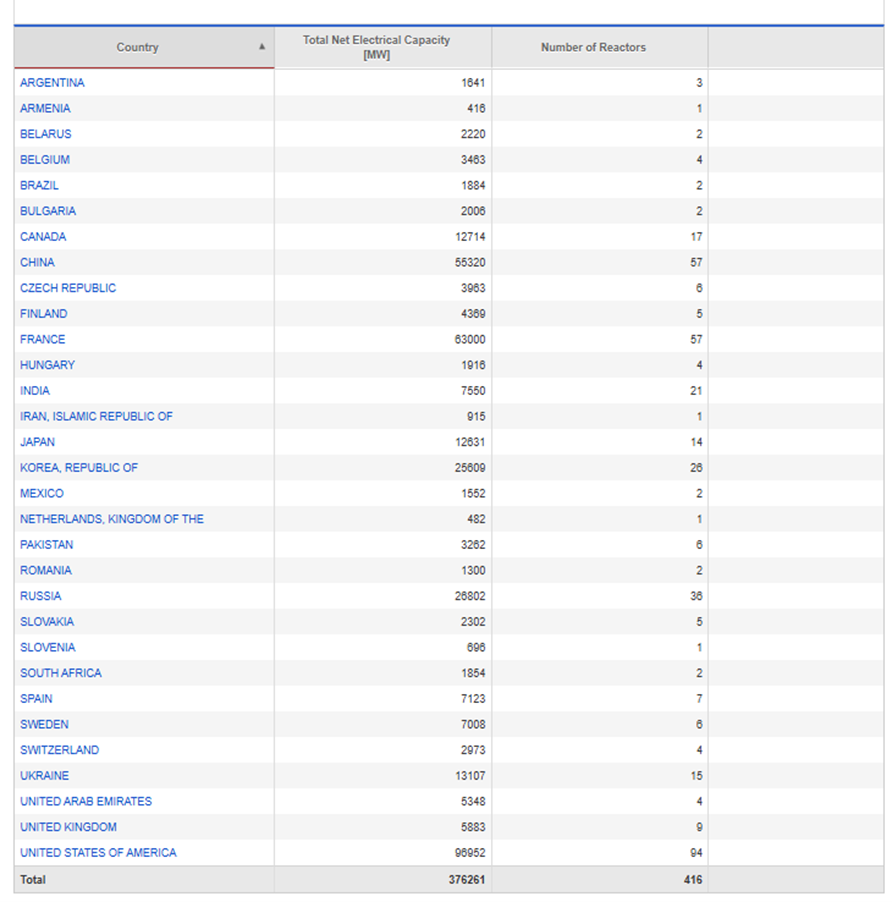
Fig 47 Present Operating Nuclear Power Reactors as of 12 July 2025
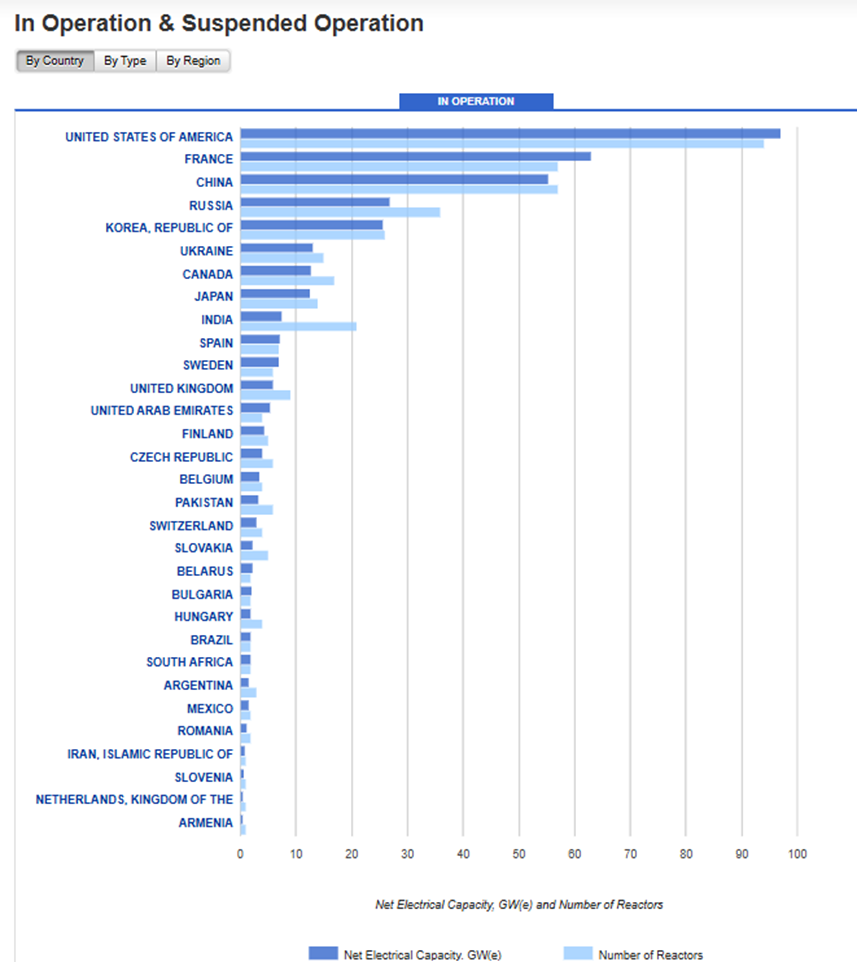
Fig 48 Present Operating Nuclear Power Reactors by location as of 18 May 2025 -in Green
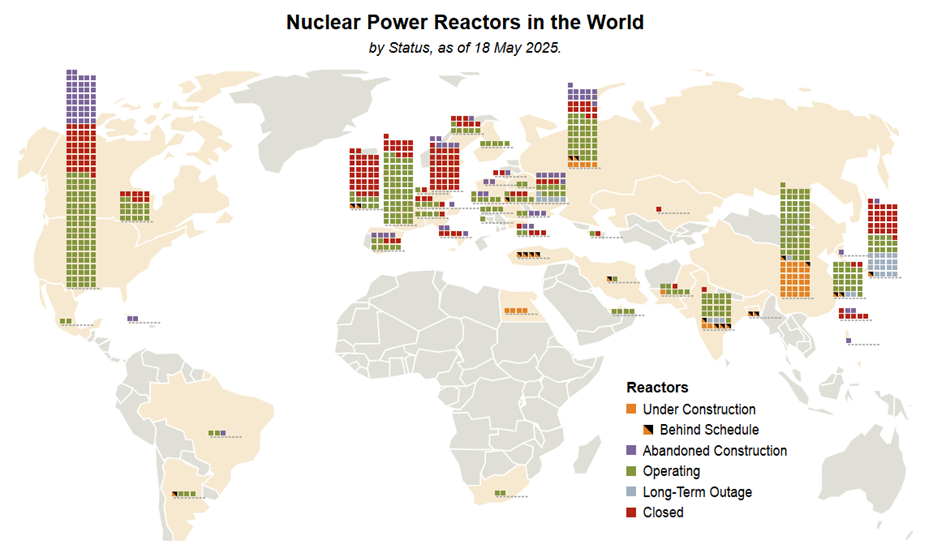
NUCLEAR REACTORS UNDER CONSTRUCTION as of 1 JANUARY 2025 (WNISR) and as of 12 JULY 2025 (IAEA)
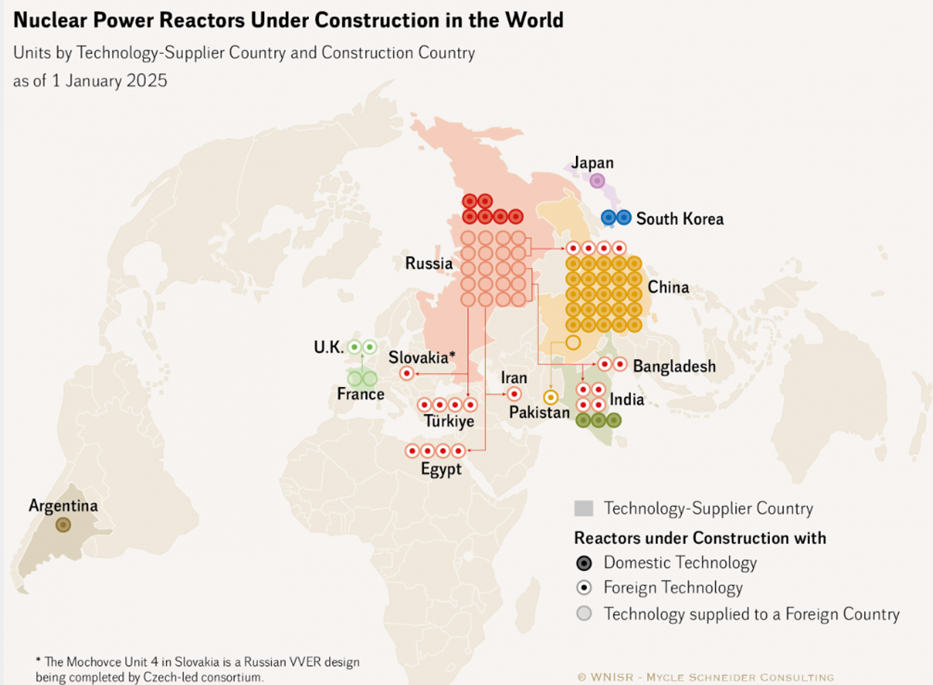
World Nuclear Industry Status Report (WNISR) highlighted that as of 1 January 2025, there were 61 units under construction in 13 countries. ( Fig 49)
WNISR reported that almost half of the reactors (29) are under construction in China, including four implemented by the Russian industry which is also building in Bangladesh (2), Egypt (4), India (4), Iran (1), Turkey (4), and at home (6), thus a total of 25 units. The only country besides Russia and China building abroad is France with two units underway in the U.K.( https://www.worldnuclearreport.org/Fewer-Countries-Building-New-Reactors)
Fig 49 Nuclear Power Reactors Under Construction in the World, as of 1 January 2025
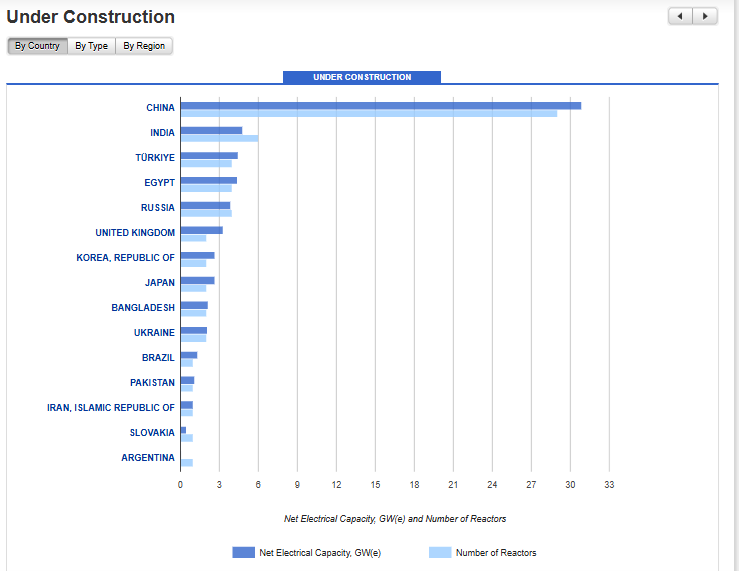
The IAEA has reported that as of 12 July 2025, 15 countries are constructing 62 nuclear power reactors ( Table 2 and Fig 50-Fig 51)
Table 2: Reactors under Construction as of 12 July 2025
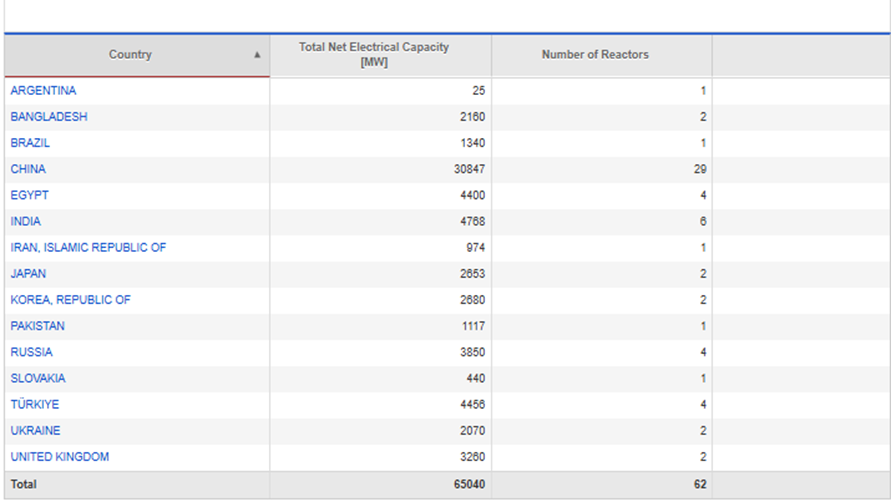
Fig 50: Reactors under Construction as of 12 July 2025
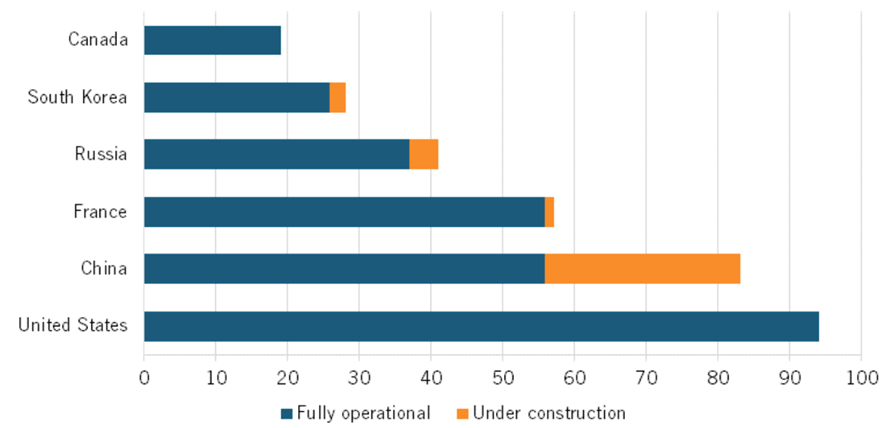
In summary, The United States presently has the highest number of nuclear reactors operating (94) and both China and France each has 57 operating nuclear power plants, with China constructing nearly 50% (29) of the 61 nuclear reactors currently under construction ( Fig 51)
Fig 51: World’s top countries with operating nuclear power reactors and with reactors under construction
“For countries already operating nuclear power plants, large light water reactors, rather than small modular reactors (SMRs), will drive the increase in nuclear capacity,” says Aline des Cloizeaux, Director of the IAEA’s Division of Nuclear Power. ( Fig 52) “Large reactors are a proven technology that can economically provide a large and reliable baseload of energy. But we do expect countries and industries to tap into the potential of SMRs as well.”
Fig 52: Aline des Cloizeaux, Director of the IAEA’s Division of Nuclear Power.

source: https://www.juniorstocks.com/navigating-the-smr-revolution-iaea-s-new-guidance-for-nuclear-newcomers
Nuclear power must be expanded to meet the world’s net zero goals — that was the clarion call issued by IAEA Director General Rafael Mariano Grossi last December at the 28th session of the Conference of the Parties to the United Nations Framework Convention on Climate Change (COP28), in a statement supported by dozens of countries. This position was affirmed by the inclusion of nuclear power in the Global Stocktake for the first time in the Conference’s almost 30-year history.
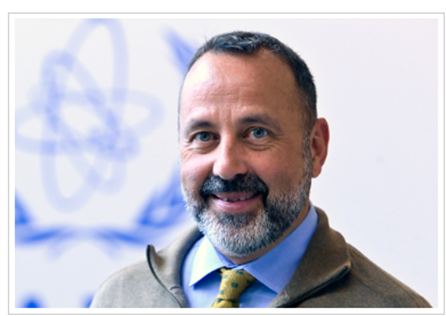
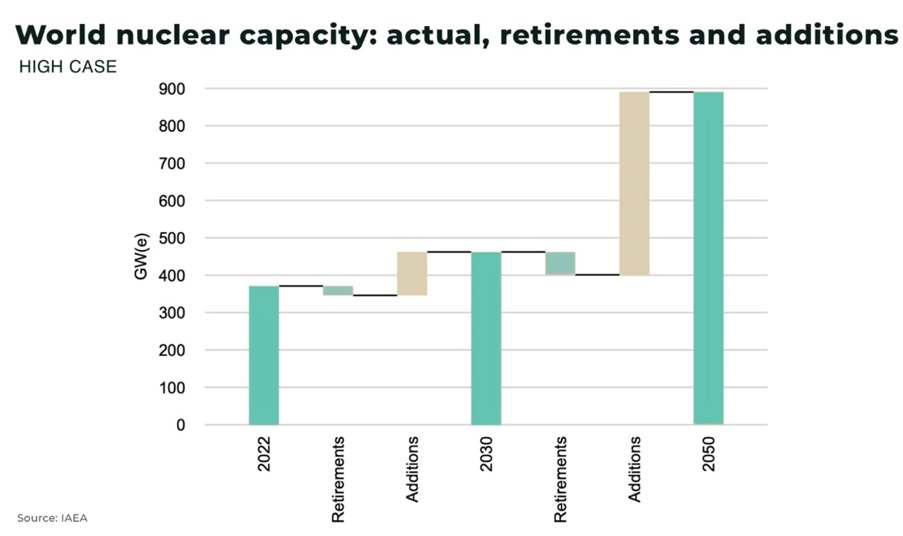
In a high case scenario, the IAEA’s projection is that nuclear energy capacity will more than double by 2050, from 371 GW(e) in 2022 to 890 GW(e) by 2050, with only around 10% of this increase expected to come from SMR deployments. Hitting this mark means adding at least 20 GW(e) per year. ( Fig 53) “The high case projection is ambitious but technically feasible,” says Henri Paillere, Head of the IAEA’s Planning and Economic Studies Section. ( Fig 54)
Additionally, In the high case, the IAEA assumes the operating life of a number of nuclear power stations, scheduled for retirement, will be extended.
Fig 53 In a high case scenario, the IAEA’s projection is that nuclear energy capacity will more than double by 2050, from 371 GW(e) in 2022 to 890 GW(e) by 2050
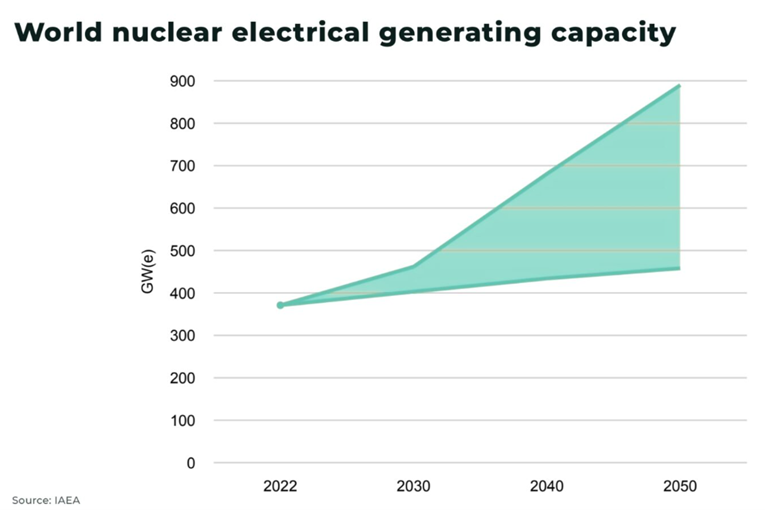
Fig 54 Henri Paillere, Head of the IAEA’s Planning and Economic Studies Section.
The Agency highlighted that Smaller reactors like SMRs and microreactors may be particularly suitable for providing power to industrial end users and remote communities with smaller electric grids, and for powering non-electric applications such as hydrogen production and seawater desalination. However, SMRs will need demonstration before their broader deployment; larger reactors will continue to dominate the nuclear power landscape in the years to come.
IAEA’s high case projection envisages a doubling of nuclear’s present electricity production capacity by 2050. This relies on both lifetime extensions of existing plants and about 550 gigawatts (GW) of new build
IAEA DG Mr Grossi stated in his Forward ( Fig 56) in the IAEA Publication titled Nuclear Energy for a Net-Zero World ( Fig 55 ) that IAEA’s high case projection envisages a doubling of nuclear’s present electricity production capacity by 2050. This relies on both lifetime extensions of existing plants and about 550 gigawatts (GW) of new build ( Fig 57) and he cautioned that According to the IAEA’s low case scenario, however, a lack of willingness to embrace nuclear could lead to almost no change in capacity by 2050, causing us to fall well short of doing what is necessary to avoid a climate catastrophe. (chrome-extension://efaidnbmnnnibpcajpcglclefindmkaj/https://www.iaea.org/sites/default/files/21/10/nuclear-energy-for-a-net-zero-world.pdf)
Fig 55: IAEA’s Publication titled Nuclear Energy for a Net Zero World
Source: IAEA (chrome-extension://efaidnbmnnnibpcajpcglclefindmkaj/https://www.iaea.org/sites/default/files/21/10/nuclear-energy-for-a-net-zero-world.pdf)
Fig 56: IAEA DG Mr Grossi stated in his Forward in the IAEA Publication titled Nuclear Energy for a Net-Zero World that IAEA’s high case projection envisages a doubling of nuclear’s present electricity production capacity by 2050
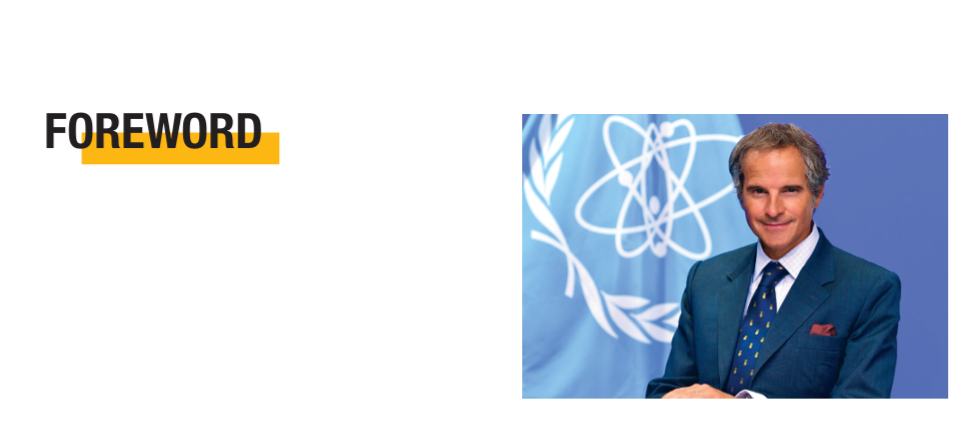
Fig 57: IAEA’s high case projection envisages a doubling of nuclear’s present electricity production capacity by 2050 and this relies on both lifetime extensions of existing plants and about 550 gigawatts (GW) of new build
Multinational Development Banks do not contribute to financing of new-build projects (https://www.world-nuclear-news.org/articles/world-bank-agrees-to-end-ban-on-funding-nuclear-energy)
The World Nuclear News (WNN) had reported on 12 June 2025 in its article titled World Bank ends ban on funding nuclear energy that although some multinational development banks have provided lending for decommissioning or upgrades to existing nuclear plants, they do not contribute to the financing of new-build projects - the World Bank's only loan for new nuclear capacity was USD40 million in 1959 for Italy's first nuclear power plant.
RECOMMENDATION 1 for The World Bank
The International Atomic Energy Agency (IAEA) has highlighted that More large reactors in particular new build( in addition to lifetime extension of present operating reactors) than SMRs will be necessary to reach net zero goal, citing that in a high case scenario, the IAEA’s projection is that nuclear energy capacity will more than double by 2050, from 371 GW(e) in 2022 to 890 GW(e) by 2050, with only around 10% of this increase expected to come from SMR deployments.
Thus it is vital for the World Bank to please consider extending its support to extending lifetime of current operating reactors and SMRs to also include financing nuclear new build of the larger reactors to help the world reach and not miss net zero effectively by 2050
Missed Part 1, Part 2, Part 3 and Part 4?
Read it here: Part 1, Part 2, Part 3, Part 4 or continue to read Part 6 here.
Sheriffah Dato Syed (sheriffahkhamseah@gmail.com) is a content creator under the Newswav Creator programme, where you get to express yourself, be a citizen journalist, and at the same time monetize your content & reach millions of users on Newswav. Log in to creator.newswav.com and become a Newswav Creator now!
The User Content (as defined on Newswav Terms of Use) above including the views expressed and media (pictures, videos, citations etc) were submitted & posted by the author. Newswav is solely an aggregation platform that hosts the User Content. If you have any questions about the content, copyright or other issues of the work, please contact creator@newswav.com.


