

Article Part6 will provide details of the Organizational Structure of The World Bank, its Shareholders, Board, President, their Roles and responsibilities
About the World Bank (chrome-extension://efaidnbmnnnibpcajpcglclefindmkaj/https://thedocs.worldbank.org/en/doc/43b360bfda1e6e5b8a094ef2ce4dff2a-0340012021/original/World-Bank-IBRD-Sustainable-Development-Bond-Framework.pdf)
The International Bank for Reconstruction and Development (IBRD) was established in 1944 and is the original member of the World Bank Group. IBRD is an international organization and global development institution owned by 189 member countries. As the largest development bank in the world, it supports the mission and strategy of the World Bank Group (WBG) ( by providing loans, guarantees, risk management products and advisory services to middle-income and creditworthy low-income countries.
“World Bank” or the “Bank” refers to IBRD. The “World Bank Group” is the name that is used to collectively refer to five international organizations: Source: https://drpranabkrdas.home.blog/2021/01/31/role-of-world-bank/( Fig58 and Fig59)
Fig58 : The World Bank comprise 5 international organization
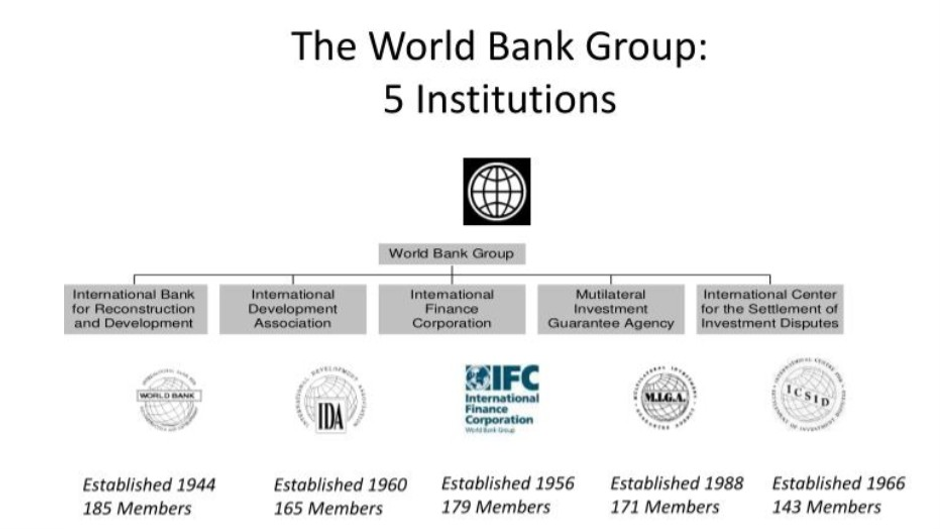
1. International Bank for Reconstruction and Development (IBRD): It was established in 1945, which provides the loan to the middle-income countries with sovereign guarantees and creditworthy low-income countries. ( Fig60)
2. International Development Association (IDA): It was established in 1956, provides interest-free loans — called credits and grants to governments of the poorest countries and private sectors without sovereign guarantees. (Fig61)
3. International Finance Corporation (IFC): It was established in 1960, provides investment, advice, and asset management to companies and governments. ( Fig62)
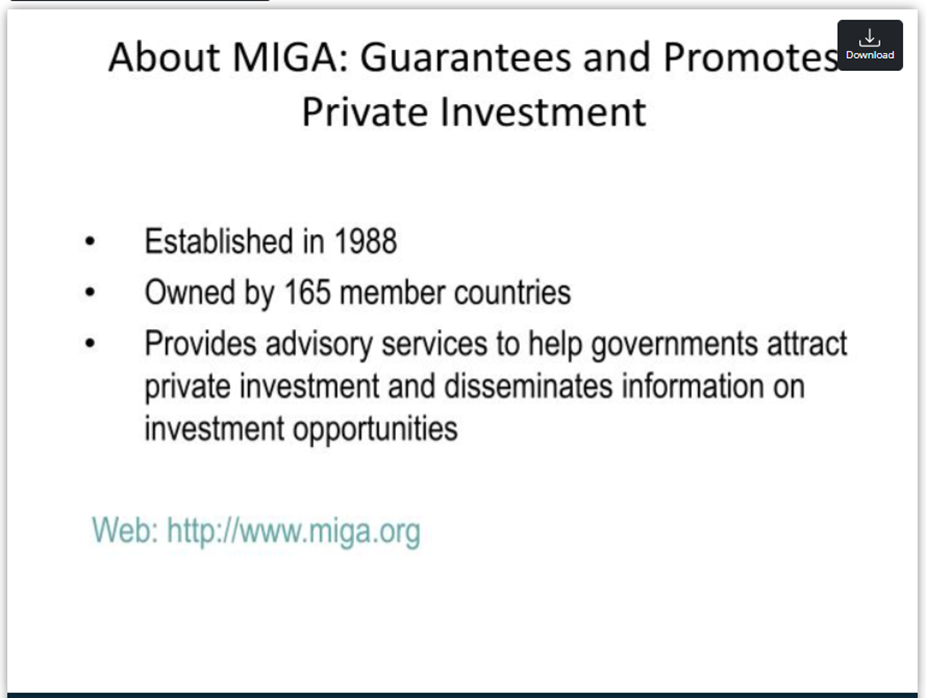
4. Multinational Investment Guarantee Agency (MIGA): It was established in 1965, which provides insurance against certain types of risk, including political risk, primarily to the private sector. ( Fig63)
5. International Centre for Settlement of Investment Disputes (ICSID): established in 1988, it settles investment disputes between investors and countries.
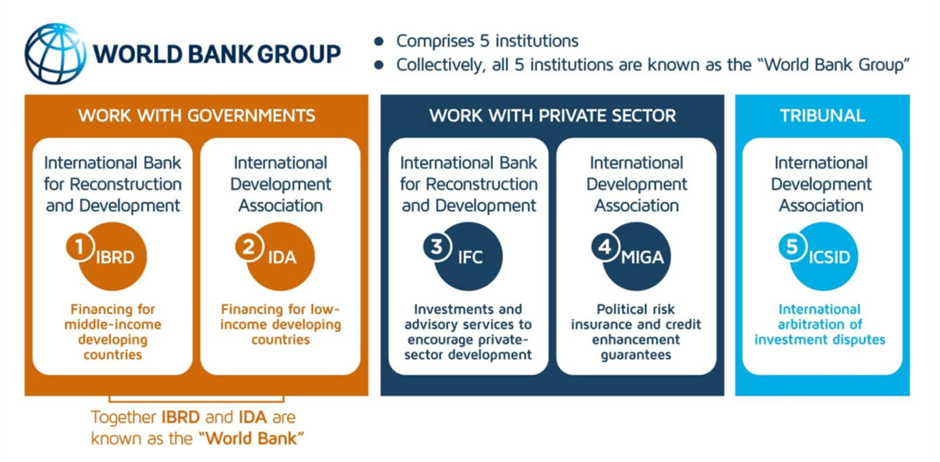
The IBRD , the world’s largest development bank, it provides loans, guarantees, advisory services, and risk management products to middle-income and creditworthy low-income countries.( Fig60)
- IBRD provides services to only sovereign governments and not private players.
- Middle-income countries represent more than 60% of the IBRD’s portfolio.
- IBRD extends loans to member countries for a range of development projects, including infrastructure development, achievement of Sustainable Development Goals, education, healthcare, and environmental sustainability. These loans come with favourable terms, including extended repayment periods and low interest rates.
- IBRD finances investments across all sectors and offers technical support and expertise at every stage of a project.
- It also assists governments in augmenting the investment climate of countries, removing service delivery bottlenecks, and strengthening institutions and policies.
IBRD sources most of its funds from the world’s financial markets.
Fig60: About IBRD: Market-based loans
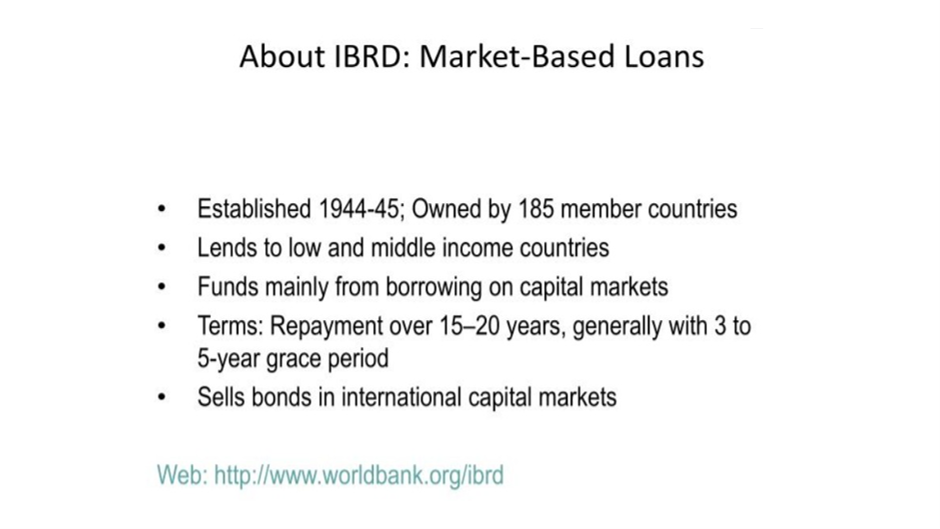
Fig 61: About IDA: Credits to the World’s Poorest Countries
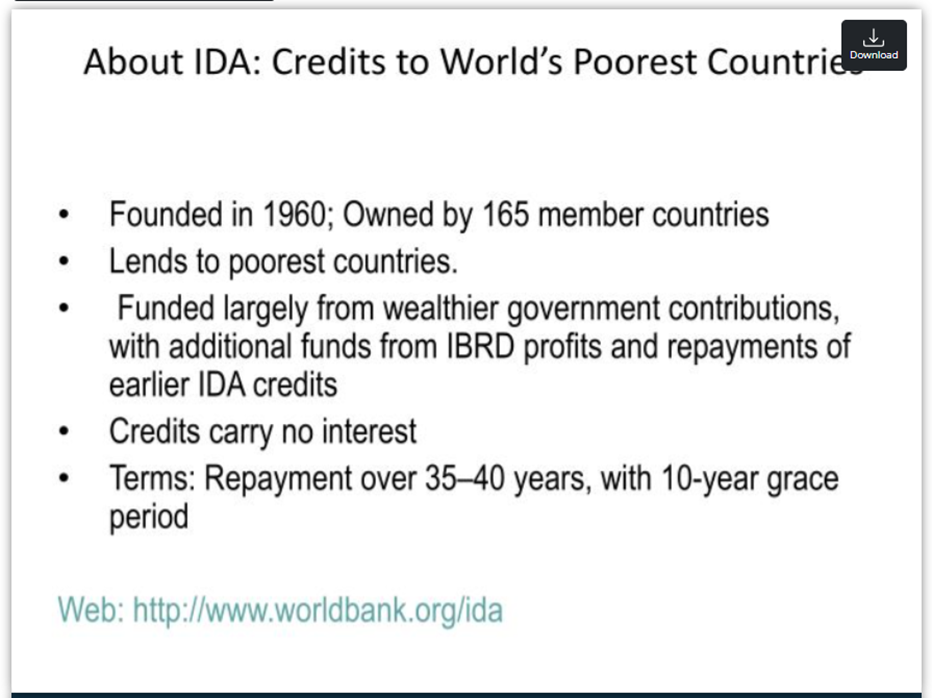
Fig62: About IFC : Investing in the Private Sector
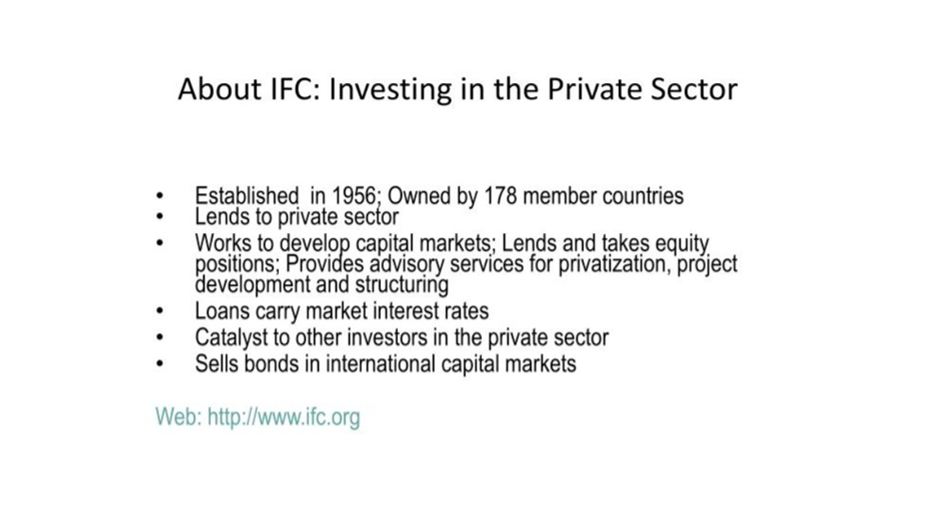
Fig 63 About MIGA: Guarantees and Promotes Private Investments
Organizational Structure of The World Bank (https://www.99notes.in/general-studies-2/international-relation/world-bank-group-upsc-notes-pdf/) ( Fig 64 and Fig 65)
Fig 64: World Bank Group Organizational Chart
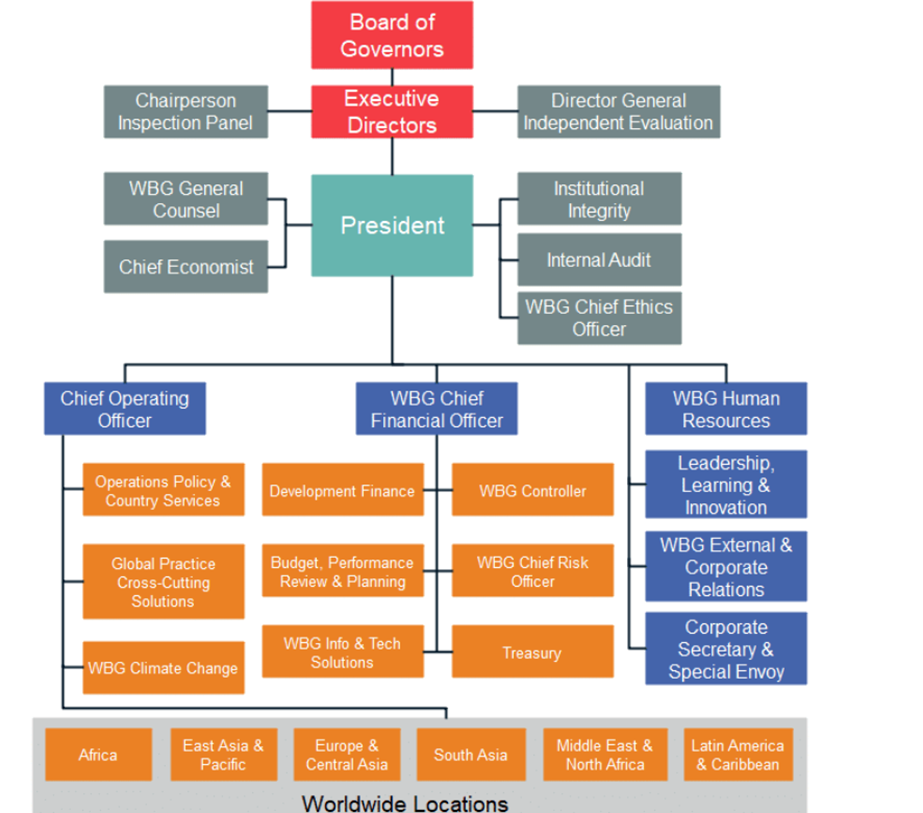
Fig 65: Organizational Structure of the World Bank
Organizational Structure of The World Bank

The World Bank’s Members and Shareholders (https://www.99notes.in/general-studies-2/international-relation/world-bank-group-upsc-notes-pdf/)
The World Bank presently has 189 member countries who are shareholders of the Bank.
Board of Governors (https://www.99notes.in/general-studies-2/international-relation/world-bank-group-upsc-notes-pdf/) ( Fig 64 and Fig 65)
The Members are represented by a Board of Governors, who functions as the ultimate policymakers of the World Bank. The Boards of Governors consist of one Governor and one Alternate Governor appointed by each member nation. They are usually the country’s finance minister, governor of its central bank, or a senior official.
The Governors and Alternate Governors serve for terms of five years and can be reappointed. The Board meets once a year at the Annual Meeting of the Boards of Governors of the World Bank Group and the IMF.
Role of the Boards of Governors
The Board of Governors is the World Bank’s senior decision-making body. The Boards of Governors has delegated all powers to the Executive Directors except those mentioned in the Articles of Agreement. These powers are as follows:
- Admit or suspend members.
- Increase/decrease the authorized capital stock.
- Determine the distribution of net income of the Bank.
- Decide appeals arising from interpretations of the Articles of Agreement by Executive Directors.
- Make arrangements to coordinate and cooperate with other international organizations.
- Raise the number of elected Executive Directors; and
- Approve amendments to Articles of Agreement.
Board of Directors (https://www.99notes.in/general-studies-2/international-relation/world-bank-group-upsc-notes-pdf/)
The Boards of Directors exercise powers that are delegated to them by the Boards of Governors, making it the most important body in the World Bank Group.
Appointment of Executive Directors
It consists of the World Bank Group President and 25 Executive Directors. The executive directors represent all 189 member countries. Executive Directors are elected every two years at the time of the Annual Meetings.
- Eight countries (the US, Japan, China, Germany, France, the UK, Russia, and Saudi Arabia) with large economies have their own executive directors.
- The rest of all countries are grouped in 17 constituencies with each director representing 4 or more countries.
- India is grouped together with Bangladesh, Sri Lanka, and Bhutan who together elect a director.
The Board of Directors of the World Bank Group consists of four separate Boards, namely the Board of IBRD, the IDA, the IFC, and the MIGA. Each Board is responsible for the operations of their respective organization.
While there are four Boards of the World Bank Group, Executive Directors on these Boards are generally the same.
Role of Executive Directors (https://www.99notes.in/general-studies-2/international-relation/world-bank-group-upsc-notes-pdf/)
Executive Directors have a dual function:
- Firstly, as officials of the Bank and
- Secondly as representatives of the member country/countries that have appointed/elected them.
The Executive Directors are responsible for conducting the day-to-day business of the World Bank, such as:
- Deciding on loan/credit proposals made by the President.
- Deciding policy issues that guide the general operations of the Bank.
It has been a convention that the World Bank’s president is an American citizen. The President also serves as Chairman of the Board of Directors and is selected by the Executive Directors. The President acts as presiding officer and has no vote except a deciding vote in case of an equally divided Board.
The World Bank operates daily under the direction of the president, management, and senior staff, and the vice presidents in charge of Global Practices assisted by other supportive staff.
Voting Powers (https://www.99notes.in/general-studies-2/international-relation/world-bank-group-upsc-notes-pdf/)
The voting power of each Member country is based on its shareholding. There are different voting powers in each organization as shares are allocated differently in each of the organizations.
Major Reports of World Bank (https://www.99notes.in/general-studies-2/international-relation/world-bank-group-upsc-notes-pdf/)
- Ease of Doing Business (Stopped publishing): In the EODB index, ‘higher rankings’ (a lower numerical value) indicate better, usually simpler, regulations for businesses and stronger protections of property rights.
- Human Capital Index: This index measures the amount of human capital that a child born today can expect to attain by age 18, given the risks of poor health and poor education that prevail in the country where she lives.
- World Development Report: The World Development Report (WDR) is an annual report published since 1978 by the World Bank. Each WDR provides an in-depth analysis of a specific aspect of economic development.
Capital Markets Funding Supports Sustainable Development (chrome-extension://efaidnbmnnnibpcajpcglclefindmkaj/https://thedocs.worldbank.org/en/doc/43b360bfda1e6e5b8a094ef2ce4dff2a-0340012021/original/World-Bank-IBRD-Sustainable-Development-Bond-Framework.pdf)
The World Bank has been issuing bonds since 1947, initially to support the reconstruction of Europe after World War II. Starting in the 1960s, the Bank’s mission shifted to poverty alleviation. Today, all World Bank bonds fund sustainable development activities designed to achieve positive environmental and social impact. The World Bank raises funds in the world’s financial markets through its Global Debt Issuance Facility and its Discount Notes Program. The World Bank has been a leader in transparency, disclosure, and standard setting for green bond issuances since 2008, when it launched the World Bank Green Bond Program. [The World Bank Green Bond Program is a subset of the Sustainable Development Bonds program which can be found on the World Bank Treasury website: https://treasury.worldbank.org/en/about/unit/treasury/ibrd/ibrd-green-bonds. ]
In a nutshell, the IBRD issues bonds in the international capital markets to finance its sustainable development activities. In the capital markets, IBRD is also known as the World Bank.
SUSTAINABLE DEVELOPMENT BOND PROCESS (chrome-extension://efaidnbmnnnibpcajpcglclefindmkaj/https://thedocs.worldbank.org/en/doc/43b360bfda1e6e5b8a094ef2ce4dff2a-0340012021/original/World-Bank-IBRD-Sustainable-Development-Bond-Framework.pdf)
World Bank Sustainable Development Bonds[ For the purposes of this document, the term “World Bank Sustainable Development Bonds” refers to all notes and bonds issued by IBRD including, but not limited to, discount notes, plain vanilla bonds, structured bonds, callable bonds, and capital-at-risk bonds (including catastrophe bonds)] are consistent with the Sustainability Bond Guidelines [https://www.icmagroup.org/sustainable-finance/the-principles-guidelines-and-handbooks/sustainability-bond-guidelines-sbg/ ], coordinated by the International Capital Market Association.
The World Bank’s Sustainable Development Bonds Framework is designed to provide investors with information on how all World Bank bonds support sustainable development, including examples of the types of projects and programs (Operations) that World Bank bond proceeds support through the financing of loans to member countries.
This Framework specifically outlines how World Bank bonds and processes align to the four pillars of the Sustainability Bond Guidelines as noted below:
Use of proceeds
2. Process for evaluation and selection of eligible operations
3. Management of proceeds
4. Reporting
USE OF PROCEEDS ((chrome-extension://efaidnbmnnnibpcajpcglclefindmkaj/https://thedocs.worldbank.org/en/doc/43b360bfda1e6e5b8a094ef2ce4dff2a-0340012021/original/World-Bank-IBRD-Sustainable-Development-Bond-Framework.pdf)
All World Bank bonds support the financing of a combination of green and social, i.e. “sustainable development”, projects, programs, and activities in IBRD member countries. Each project is designed intentionally to achieve both positive social and environmental impacts and outcomes in line with the WBG’s twin goals of eliminating extreme poverty and promoting shared prosperity.
The World Bank works in every major area of development in partnership with member governments to find sustainable solutions to local and global development challenges. The list below provides examples of projects that meet the eligibility criteria to be supported by the World Bank’s Sustainable Development Bonds and we have classified projects as social or green to show alignment with the Sustainability Bond Guidelines.
Examples of projects, programs and activities which can be classified as “green projects” include, but are not limited to those which aim to: (chrome-extension://efaidnbmnnnibpcajpcglclefindmkaj/https://thedocs.worldbank.org/en/doc/43b360bfda1e6e5b8a094ef2ce4dff2a-0340012021/original/World-Bank-IBRD-Sustainable-Development-Bond-Framework.pdf)
• Advance climate-smart agriculture, improve agricultural infrastructure and support services, strengthen food value chains to become more resilient to climate change, and increase market access for smallholder farmers
• Manage water holistically for sustained water resource utilization, improved delivery of services and building resilience
• Address biodiversity conservation and challenges of pollution and natural resource degradation
• Help resource-rich developing countries benefit from the increasing demand for minerals and metals, while ensuring mining is managed to minimize the environmental and climate footprint
• Prepare national plans and legislation to protect the environment and manage disaster risk
• Contribute to climate mitigation (solar and wind installations, new technologies that reduce GHG emissions, rehabilitation of power plants and transmission facilities to reduce emissions, clean transportation, sustainable waste management, carbon reduction through reforestation and prevention of deforestation) and climate adaptation (protection against flooding, improvements in food security, climate-resilient agriculture, sustainable forest management, and prevention of deforestation).
World Bank Exclusion List
The World Bank does not support the financing of operations that involve:
• Alcoholic beverages
• Tobacco or tobacco processing machinery
• Unworked or worked pearls, precious, and semiprecious stones
• Jewelry made of gold, silver, or platinum group metals (except watches and watch cases) and goldsmiths’ or silversmiths’ wares (including set gems)
• Non-monetary gold (excluding gold ores and concentrates)
• Radioactive and associated materials
• Nuclear reactors (including parts thereof), or non-irradiated fuel elements (cartridges) for nuclear reactors
Thus prior to The World Bank announcing it is lifting its ban on financing nuclear , Nuclear was listed in the World bank's Exclusion list
PROCESS FOR EVALUATION AND SELECTION OF ELIGIBLE OPERATIONS
All World Bank Operations are designed to achieve positive environmental & social impacts & outcomes consistent with the WBG’s twin goals. Operations are approved after an extensive internal review process which integrates sustainability policies & environmental & social requirements. This is complemented by comprehensive project disclosure, portfolio management & review processes that are designed to provide timely feedback to enhance, improve if necessary, adjust operations to achieve positive impacts in line with desired outcome
My subsequent article Part7 will spotlight on Green Bond and Taxanomy and its relation and progress in financing nuclear power
Missed Part 1, Part 2, Part 3, Part 4 and Part 5? Read it here: Part 1, Part 2, Part 3, Part 4 and Part 5
Sheriffah Dato Syed (sheriffahkhamseah@gmail.com) is a content creator under the Newswav Creator programme, where you get to express yourself, be a citizen journalist, and at the same time monetize your content & reach millions of users on Newswav. Log in to creator.newswav.com and become a Newswav Creator now!
The User Content (as defined on Newswav Terms of Use) above including the views expressed and media (pictures, videos, citations etc) were submitted & posted by the author. Newswav is solely an aggregation platform that hosts the User Content. If you have any questions about the content, copyright or other issues of the work, please contact creator@newswav.com.