Beijing's public message on Taiwan has softened across three summits between Donald Trump and Xi Jinping this year, moving from a warning of "clashes and even conflicts" in May to a request in November that Washington "keep doing the right thing." Taiwan is no longer the main source of friction between the US and China, a Taiwanese scholar said on November 23, but four flashpoints could still shake the Taiwan Strait in 2027.
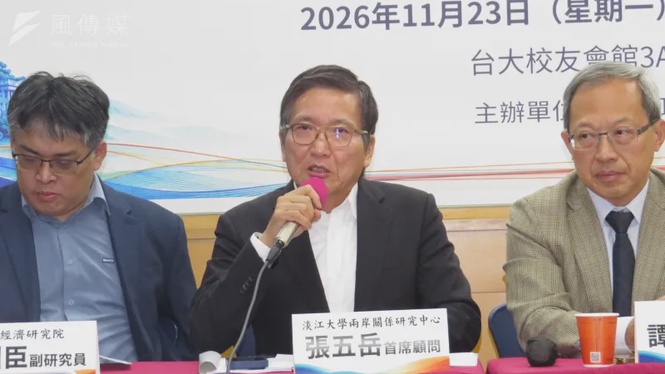
Chang Wu-ueh, a cross-strait expert with Tamkang University's Center for Cross-Strait Relations Studies, made the assessment at a seminar in Taiwan on US-China competition after the Asia-Pacific Economic Cooperation (APEC) summit, which China hosted in Shenzhen on November 18 and 19.
Related: Taiwan Arms Sales Could Make Xi Break With Trump in 2027, Scholar Warns
State Visits Put Taiwan Under the Spotlight
Chang said the three Trump-Xi meetings this year fall into two categories. Trump's May trip to Beijing and Xi's September trip to Washington were state visits: the talks ran longer, and the formal agenda centered on bilateral issues, which gave Taiwan more prominence.
The November 19 meeting on the sidelines of APEC in Shenzhen, and an expected meeting at the Group of 20 (G20) summit in Miami on December 14 and 15, are a different kind of encounter, he said. At those, Taiwan is less likely to stand out.
| US-CHINA SUMMIT | TAIWAN ISSUEThree Trump-Xi Summits: How Beijing's Taiwan Language ShiftedFrom Stark Warnings to Softer WordingMay | September | November 2026 | |
| Chang Wu-ueh of Tamkang University's Center for Cross-Strait Relations Studies says Beijing's public statements on Taiwan changed across this year's three summits. May brought the harshest words; in September, Xi asked the US to explicitly oppose Taiwan independence; in November, Beijing's account fell back on "the US does not support Taiwan independence."What to watch: whether the political pressure in Beijing's public summit statements is easing. | |
| SUMMIT 01MayBeijingMaximum Pressure | Xi: Taiwan is the most important issue in China-US relations"If it is handled properly, the bilateral relationship will enjoy overall stability. Otherwise, the two countries will have clashes and even conflicts, putting the entire relationship in great jeopardy.""'Taiwan independence' and cross-Strait peace are as irreconcilable as fire and water."The US side: The White House readout did not mention Taiwan. US officials said Washington continues to firmly support Taiwan and opposes any change to the status quo by coercion.Sources: Chinese Foreign Ministry, Xinhua, CNA |
| SUMMIT 02SeptemberWashingtonDemands a US Stance | Xi: The US should clearly oppose Taiwan independenceChina's readout said Xi hoped the US would adhere to "the correct position of opposing 'Taiwan independence'" and handle the Taiwan question with caution.Beijing still wants the US to upgrade "does not support" to "opposes."The US side: US Ambassador to China David Perdue: "We're not changing the language. We're not changing our position there. We want peace across the Strait. We don't want coercion. We don't support independence." The White House fact sheet on the talks did not mention Taiwan.Sources: Chinese Foreign Ministry, Xinhua, CNA, White House |
| SUMMIT 03NovemberShenzhenSofter Wording | Xi: The US should keep doing "the right thing""On the question of Taiwan, the U.S. side should keep doing the right thing and avoid major setbacks in China-U.S. relations."No public repeat of the explicit demand to "oppose" Taiwan independence.Trump, according to China's readout: "The United States does not support 'Taiwan independence.'" Washington released no account of the Taiwan portion of the talks, so this remark should be read as Beijing's version, not a statement confirmed by the White House.Sources: Xinhua, Chinese Foreign Ministry, CNA |
| How the Wording ChangedMay: Warns of clashes, conflict, and great jeopardy September: Asks the US to explicitly oppose Taiwan independence November: Asks the US to "do the right thing," and quotes Trump as saying the US "does not support" Taiwan independence | |
| Summit Pressure on Taiwan Has EasedBeijing moved from openly warning of possible conflict to asking the US to handle the Taiwan question properly. Washington never changed "does not support" to "opposes."Chang Wu-ueh: Taiwan is no longer the main contradiction in US-China relations. For now, the priority is careful handling and risk management.Compiled from public statements on the three 2026 Trump-Xi summits | |
Beijing's Toughest Words Came in May
Looking at how each summit treated Taiwan, Chang said Beijing spoke most forcefully the first time. At the Beijing summit on May 14, Xi called Taiwan "the most important issue in China-U.S. relations" and warned that mishandling it would lead to "clashes and even conflicts, putting the entire relationship in great jeopardy," according to the Chinese Foreign Ministry. He added that safeguarding peace across the Taiwan Strait was "the biggest common denominator" between the two countries.
"This was the two sides restating their bottom lines this May, and I believe Beijing made its strongest statement," Chang said.
Washington Never Moved From "Not Support" to "Oppose"
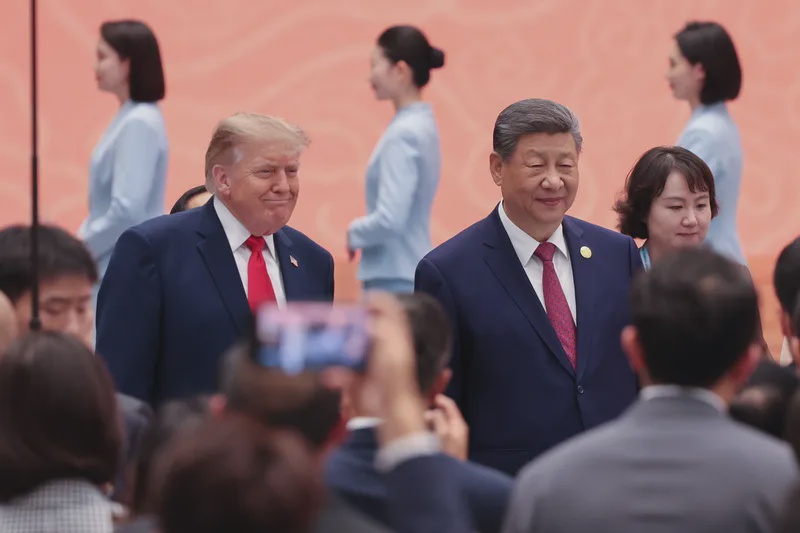
By September, Beijing's tone had shifted. When Xi visited the White House, he said China's position on national reunification was clear and that he hoped the US would "adhere to the correct position of opposing 'Taiwan independence,'" according to the Chinese readout.
The gap between those two verbs matters. Opposing Taiwan independence is Beijing's long-held position, while not supporting it has been US policy since 1998, Chang said. Beijing has long tried to get Washington to move from "not support" to "oppose." Yet the Chinese account of the Shenzhen meeting, carried by Xinhua and posted by the Chinese Foreign Ministry, only quotes Trump as saying the US "does not support 'Taiwan independence,'" not the "oppose" that Beijing wants.
Washington has not confirmed even that remark. Taiwan's foreign ministry said on November 24 that the US had assured Taipei its Taiwan policy is unchanged, Storm Media reported. After the September summit, Perdue also said the US was not changing its language or its position on Taiwan, according to the Taipei Times.
From that angle, Chang said, there has been no major change in the basic US position on the Taiwan Strait. With a fourth Trump-Xi meeting expected at the G20 in December, he added, Taiwan is clearly not the main contradiction in US-China relations right now. It is an issue that needs careful handling and risk management.
A Democratic Congress Changes the Equation
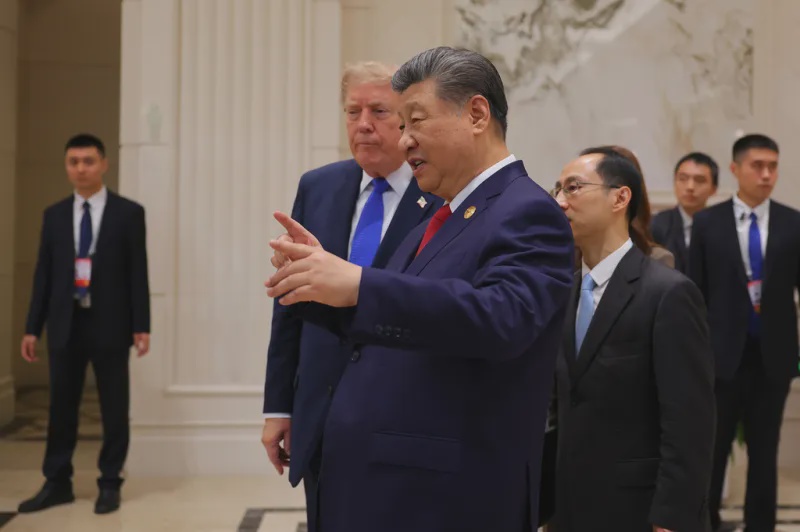
Chang said the real test for cross-strait relations and US policy toward Taiwan begins in 2027. On January 3, a new US Congress takes office with Democrats holding majorities in both the House and the Senate.
Democrats do not see China policy exactly the way Republicans do, whether on technology, human rights, or other issues, Chang said, and they are likely to push harder than the current Trump administration on measures to counter China and support Taiwan. With new voices in Congress and no major formal summit between the US and Chinese leaders on the 2027 calendar, closer US-Taiwan ties could jolt both US-China and cross-strait relations.
Four Flashpoints to Watch in 2027
Chang named four developments in US-Taiwan relations that could unsettle the Taiwan Strait:
- US arms sales to Taiwan. A roughly $14 billion package has been on hold since before Trump's May visit to Beijing, The Star reported.
- A US transit by President Lai Ching-te. Since taking office in May 2024, Lai has made US stopovers only in Hawaii and Guam, according to the Congressional Research Service. A planned 2025 trip that would have taken him through New York was called off after the Trump administration reportedly objected, the Council on Foreign Relations noted.
- Visits to Taiwan by senior US officials.
- New executive or congressional measures that strengthen US-Taiwan ties, including pro-Taiwan legislation.
"These four issues are not a question of whether they will happen, or whether they exist, but of how big they will be," Chang said. How big, he added, depends entirely on how the US, China, and Taiwan maneuver around each other in 2027.
Three Political Calendars Collide in 2027
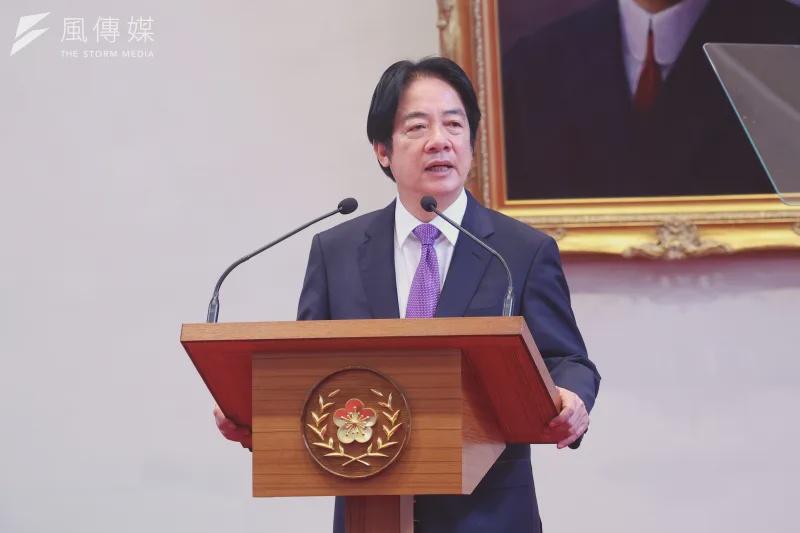
Domestic politics on all three sides will raise the stakes. China's People's Liberation Army marks its 100th anniversary on August 1, 2027, and the Chinese Communist Party holds its 21st National Congress that fall. In Taiwan, the race for the January 2028 presidential election will get underway in the second half of 2027.
Those internal pressures will constrain how the three sides deal with one another, Chang said. Still, he expects Taiwan's government to use rational thinking and healthy, orderly interaction to keep cross-strait exchanges going and lower the risks. "I believe the overall risk is still controllable," he said.
You've read it. Now join the conversation — follow us on X, Facebook and IG. Editor: Penny Wang