AN El Niño phenomenon is expected to turn very strong and last until the middle of next year, the Philippine Atmospheric, Geophysical and Astronomical Services Administration (Pagasa) said.
Pagasa said a strong El Niño was active in the Tropical Pacific and would get stronger.
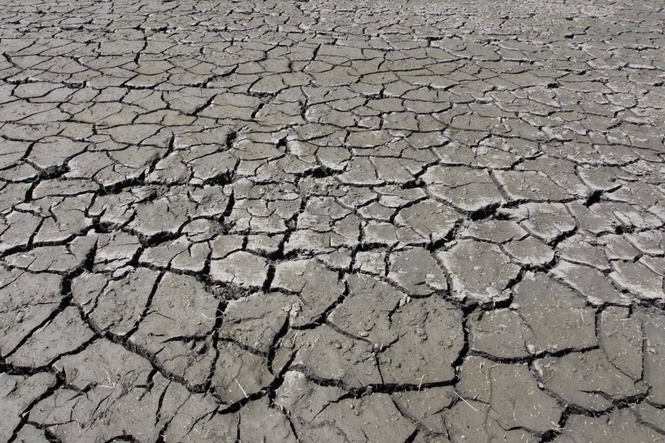
“According to climate models and expert evaluations, the phenomenon is expected to intensify into a very strong El Niño between the September-December 2026 season and persist through the first half of 2027,” it said, urging authorities and the public to “implement conservation and mitigation strategies immediately.” El Niño generally causes “warmer temperatures and below-normal rainfall” in most of the Philippines, Pagasa said.
“Prolonged rainfall deficits increase the risk of severe agricultural dry spells and water supply stress, threatening food security, water resources, energy production, public health and the broader economy,” it added.
Despite overall dry conditions, the southwest monsoon and active tropical cyclones may still bring localized, above-normal rainfall — particularly to the western section of the Philippines, the agency said.
Science and Technology Secretary Renato Solidum Jr. urged local governments and key sectors to take proactive action based on data well ahead of the full impact.
“Climate information must be utilized before a crisis strikes,” Solidum said. “Adjusting farming schedules and preparing communities, infrastructure and essential services early is vital.”
Pagasa “has developed localized climate projections and CliMap, allowing users to access historical data and localized projections down to the municipal level to support long-term adaptation,” he said.
Pagasa Administrator Nathaniel Servando said they will continue to work closely with national and local government agencies to ensure critical, science-based forecasts reach communities promptly.
“Timely advisories will enable authorities and citizens alike to execute effective preparedness and response measures,” he said.