OceanGate’s TITAN Submersible Voyage to explore the Titanic Shipwreck turned into a Tragedy Part 8: Passengers(Part A)

16 Aug 2023 • 3:00 PM MYT
Sheriffah Dato Syed
Sheriffah Dato Syed

Innovation & Nuclear Advocate. Graduate from Imperial College, London

image is not available
Fig 1: Titanic's Journey from Southampton to New York. Source: Retronaut

Passengers - in Numbers

When the RMS Titanic embarked on its maiden journey from Southampton, England, to New York, America on 10 April 1912 (Fig 1) it carried three classes of passengers: first, second, and third.

Reports have listed the number of passengers on board the Titanic as above 2000 from 2,204 to 2,224.

There were 2,204 passengers travelling on the Titanic, 1,317 were paying passengers with 324 1st class passengers, 284 2nd class passengers and 709 3rd class passengers, and about 900 crew members. (Fig 2 and Fig 3)

Titanic's Certificates of Clearance indicate that 922 passengers boarded at Southampton; 274 at Cherbourg and 120 at Queenstown; giving Titanic a total compliment of 1316 passengers.
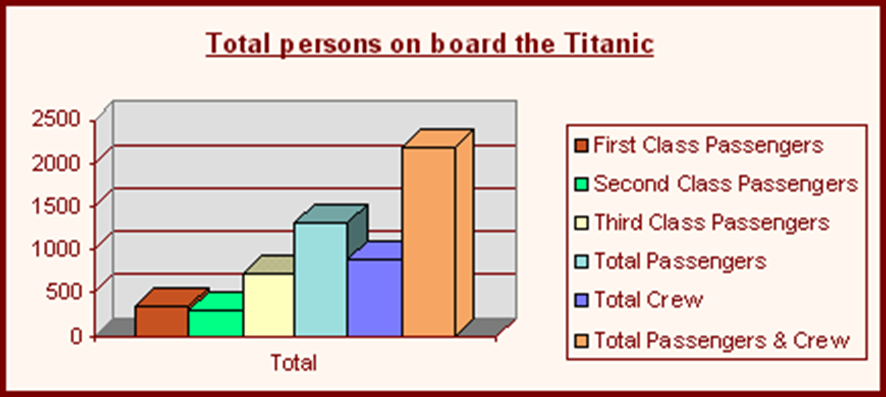
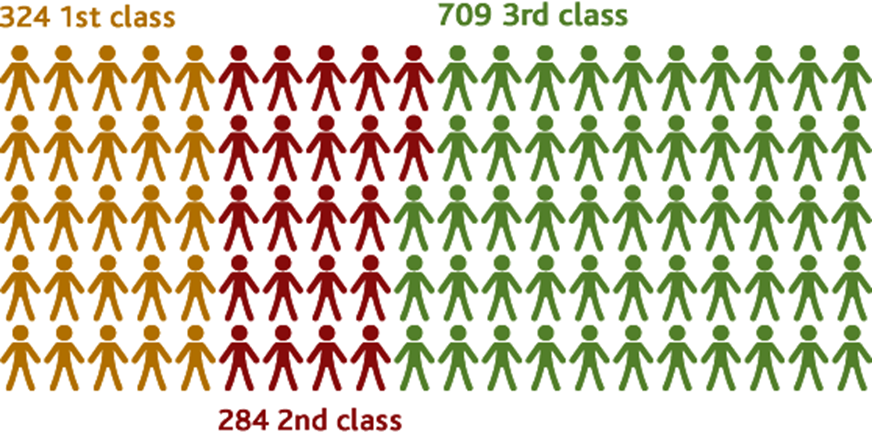
Image from: OceanGate’s TITAN Submersible Voyage to explore the Titanic Shipwreck turned into a Tragedy Part 8: Passengers(Part A)
Fig 2: Total persons on board the Titanic- Passengers and crew. Source: Titanic Story
Image from: OceanGate’s TITAN Submersible Voyage to explore the Titanic Shipwreck turned into a Tragedy Part 8: Passengers(Part A)
Fig 3: Titanic Passengers in 1st, 2nd amd 3rd Class. Source: National Archives

Passengers - Gender and children (Fig 4)

The 324 first class passengers on board Titanic comprised 176 men, 143 women and 5 infant/children

The 284 second class passengers on board Titanic comprised 167 men, 95 women and 22 children/infants

The 706 third class passengers on board comprised 462 men, 165 women and 79 children
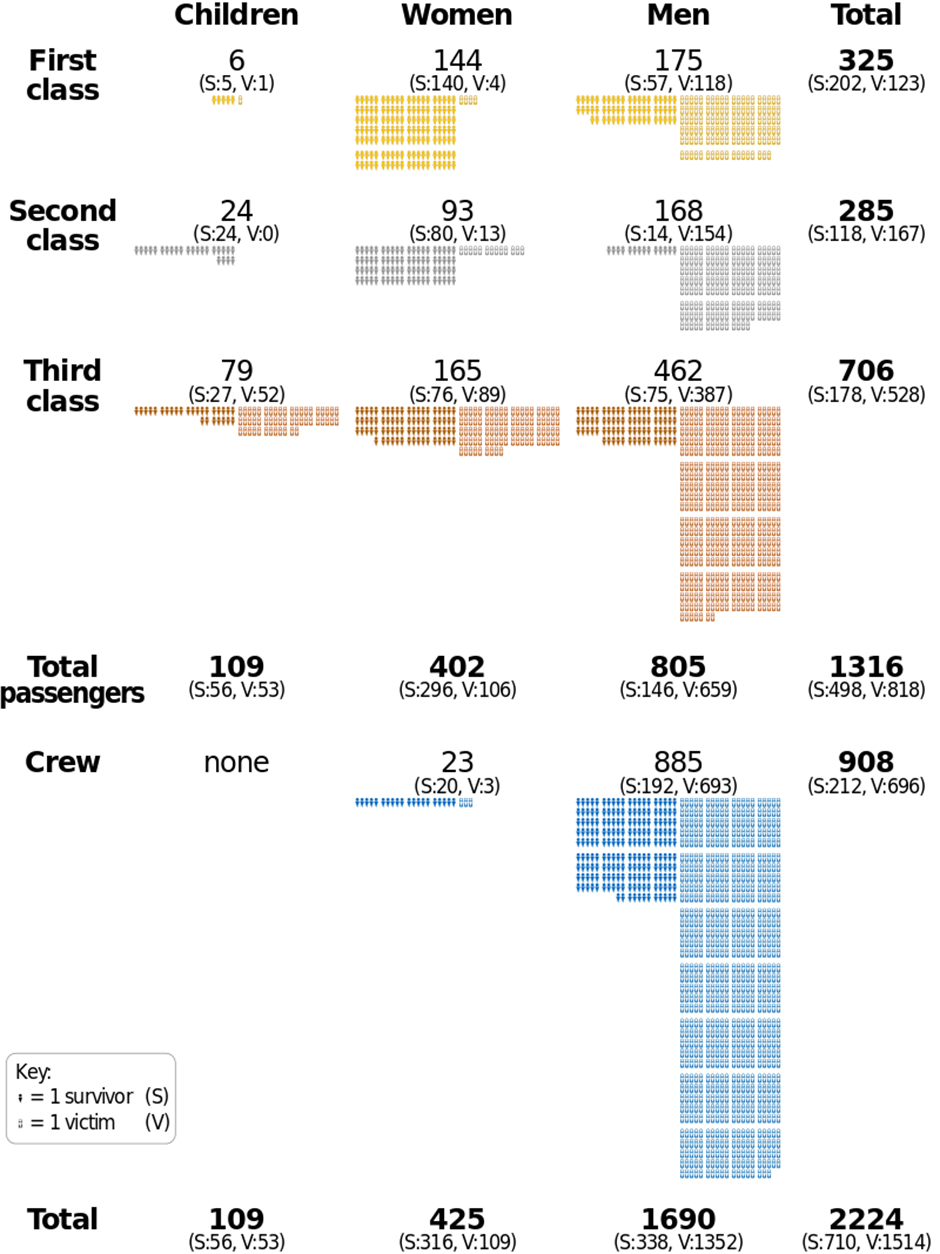
Image from: OceanGate’s TITAN Submersible Voyage to explore the Titanic Shipwreck turned into a Tragedy Part 8: Passengers(Part A)
Fig 4: Total number of persons on board Titanic 1316 passengers and 908 crew. Source: Wiki

Third Class Passengers on Deck – They provided strong revenue for the White Star Liner

Although White Star realized that enormous sums of money could be made from providing the most luxurious 1st class accommodation onboard its flagships, as with all the transatlantic companies, a huge percentage of their profits would come from the booming immigrant trade between Europe and America, with most of the immigrants traveling in 3rd class – sometimes known as “Steerage.” Europe was already over-populated by 1912, particularly in its cities, and it was a place that had not altered much since the Congress of Vienna, But America, on the other hand, was a vast continent, under-populated, new in comparison to the “Old Countries” and brimming with opportunities – either real or imagined. So, like the Olympic, the Titanic was designed to capitalize on the surge in transatlantic migration with room for 1,134 3rd-class passengers.

Crews - Numbers and Categories

More than 900 crew, 886 men and 23 women ( Fig 4) on board the Titanic kept the ship running smoothly.

The Titanic crew consisted of the captain, several officers, and deckhands, Deck Crew comprising Officers, Masters at arms, Storemasters and able bodied seamen, Engineers, Boilermen, Firemen and Electricians in the Engineering Department, Stewards and Galley staff in the Victualling Department, Restaurant staff, Musicians and Post Staff.

Cost of Tickets

The passengers were separated into classes determined by the price of their tickets.

People in the first class were a "who's who" of the prominent class in 1912, (Fig 5) where a single-person berth in the first class cost between £30 (which is equivalent to £3,200 in 2021) and £870 (equivalent to £92,000 in 2021) for a parlour suite and small private promenade deck. (Table 1) Though it isn’t known how many of them took a standard first-class berth and how many took a suite.
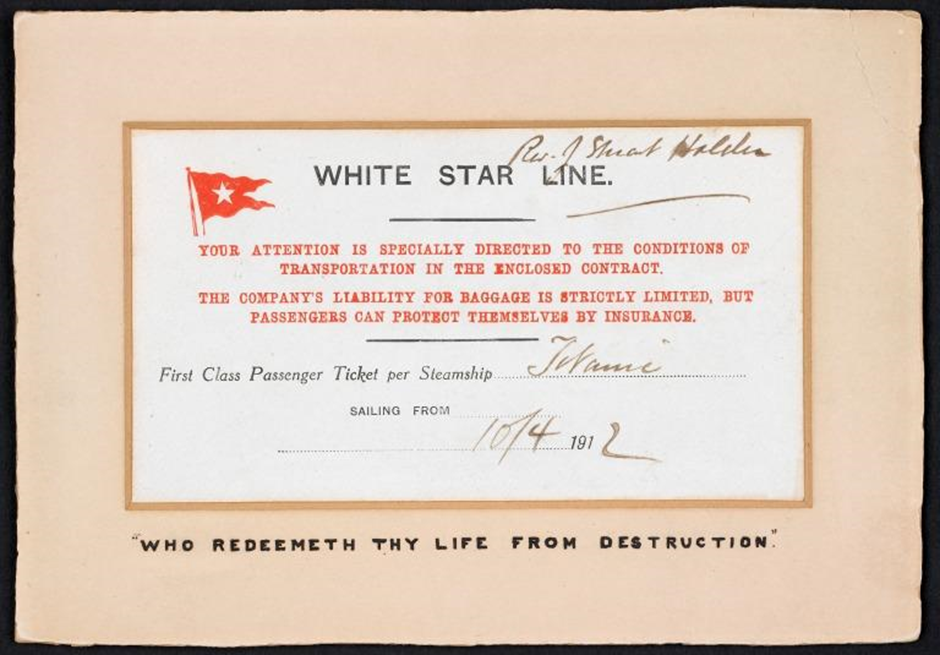
Image from: OceanGate’s TITAN Submersible Voyage to explore the Titanic Shipwreck turned into a Tragedy Part 8: Passengers(Part A)
Fig 5: A first-class passenger ticket or boarding card for the Titanic belonging to Reverend Stuart Holden. Source: Liverpool Museums

The first class was for the wealthy. Ladies wore laced corsets, expensive gowns, long gloves and satin shoes. Men were dressed in tuxedos or suits, top hats and nicely polished shoes.

Table 1: Cost of Titanic Tickets.
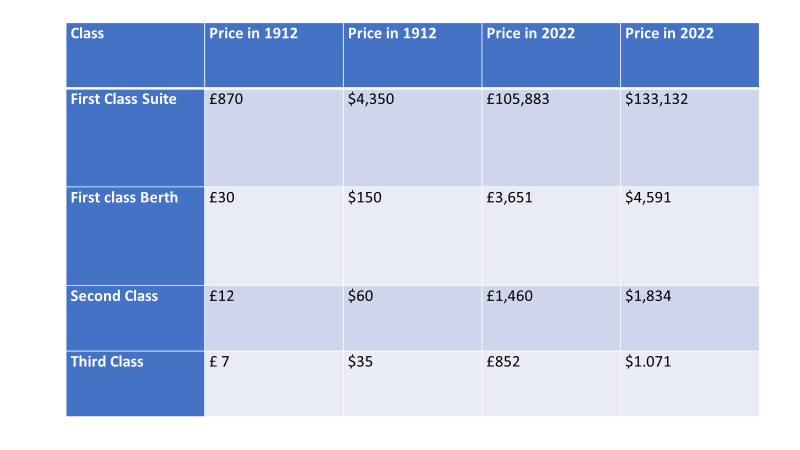
Image from: OceanGate’s TITAN Submersible Voyage to explore the Titanic Shipwreck turned into a Tragedy Part 8: Passengers(Part A)
Source: Cruise Mummy

Amongst luminaries in first class include: The owner of the Waldorf Astoria Hotel, John Jacob Astor and his nineteen year old wife Madeleine Force, ( Fig 6) the owner of Macy’s Department Store, New York, Mr Isidor Straus, and his wife, Ida (Fig 6), Millionaire John Jacob Astor was the wealthiest passenger on board the Titanic with estimated worth of US$87 million.
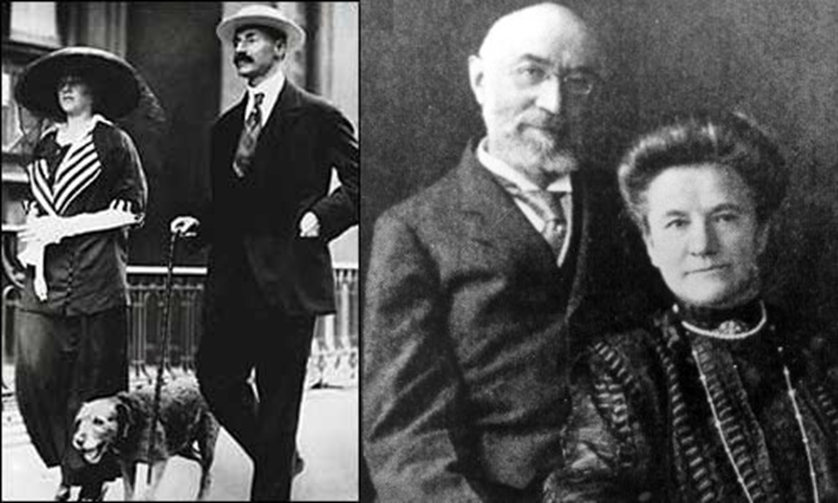
Image from: OceanGate’s TITAN Submersible Voyage to explore the Titanic Shipwreck turned into a Tragedy Part 8: Passengers(Part A)
Fig 6: John Jacob Astor and his wife Madeleine Force ( Left) and Mr Isidor Straus, and his wife, Ida wealthy industrialists. Source: Titanic Belfast

Archibald Butt, an influential military aide to Presidents Theodore Roosevelt and William Howard Taft. (Fig 7)
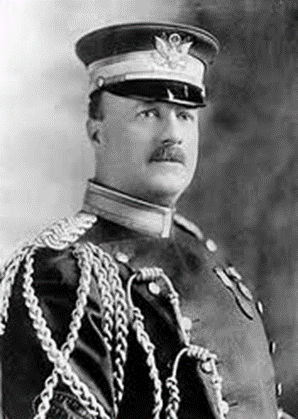
Image from: OceanGate’s TITAN Submersible Voyage to explore the Titanic Shipwreck turned into a Tragedy Part 8: Passengers(Part A)
Fig 7: Archibald Butt, an influential military aide to Presidents Theodore Roosevelt and William Howard Taft. Source: ALookThruTime

Thomas Andrews the designer who oversaw the building of RMS Titanic and her sister ship, RMS Olympic. (Fig 8)
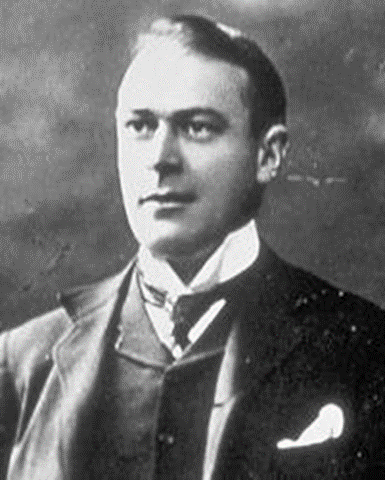
Image from: OceanGate’s TITAN Submersible Voyage to explore the Titanic Shipwreck turned into a Tragedy Part 8: Passengers(Part A)
Fig 8: Thomas Andrew, the designer of Titanic. Source: ALookThruTime

Benjamin Guggenheim a mining magnate and (Fig 9) traveling on the Titanic with his mistress, a French singer Léontine Aubart.
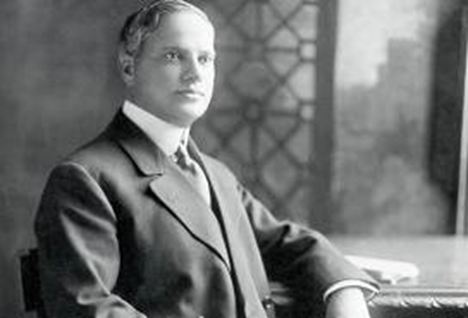
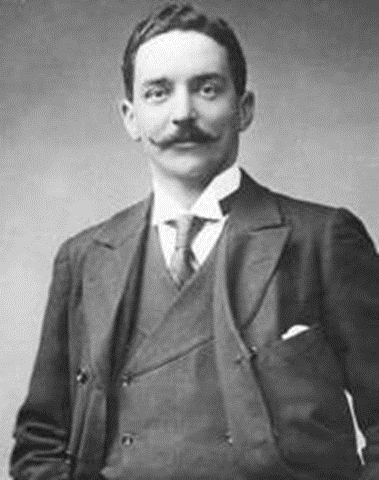
Image from: OceanGate’s TITAN Submersible Voyage to explore the Titanic Shipwreck turned into a Tragedy Part 8: Passengers(Part A)
Fig 9: Benjamin Guggenheim , a mining magnate. Source: ALookThruTime
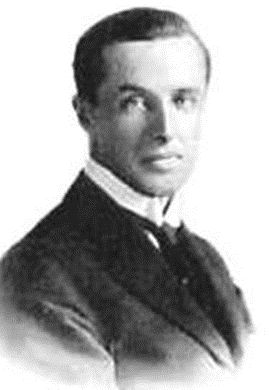
Image from: OceanGate’s TITAN Submersible Voyage to explore the Titanic Shipwreck turned into a Tragedy Part 8: Passengers(Part A)
Fig 10: Bruce Ismay. White Star Line Managing Director. Source: ALookThruTime

John Thayer, Vice President of the Pennsylvania Railroad and his wife Marian Longstreth Morris (Fig 11),
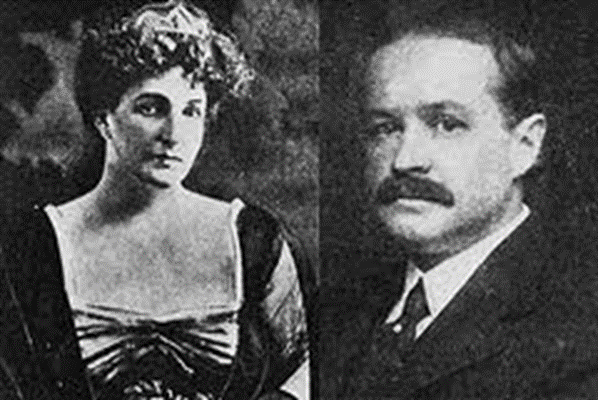
Image from: OceanGate’s TITAN Submersible Voyage to explore the Titanic Shipwreck turned into a Tragedy Part 8: Passengers(Part A)
Fig 11: John Thayer, Vice President of the Pennsylvania Railroad and his wife Marian Longstreth Morris. Source: ALookThruTime

Sir Cosmo Duff-Gordon a major landowner and society figure in the UK and his wife Lady Lucy Gordon a top British fashion designer whose innovations included the precursor to the modern-day fashion show. (Fig 12)
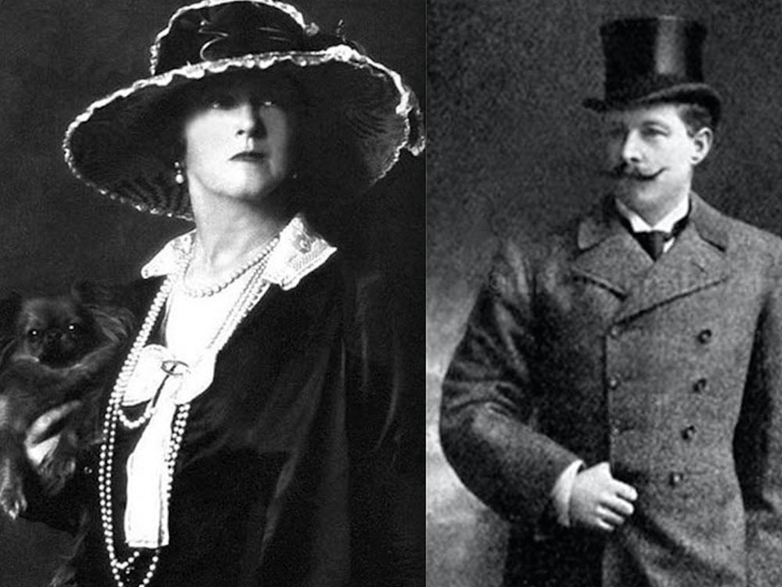
Image from: OceanGate’s TITAN Submersible Voyage to explore the Titanic Shipwreck turned into a Tragedy Part 8: Passengers(Part A)
Fig 12: Sir Cosmo Duff-Gordon a major landowner and society figure in the UK and his wife Lady Lucy Gordon a top British fashion designer whose innovations included the precursor to the modern-day fashion show. Source: Insider

George Dennick Wick, steel magnate. (Fig 13)
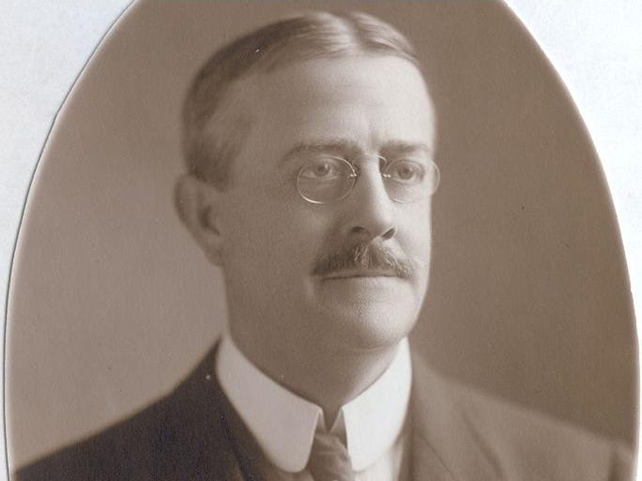
Image from: OceanGate’s TITAN Submersible Voyage to explore the Titanic Shipwreck turned into a Tragedy Part 8: Passengers(Part A)
Source: Insider

Archibald Gracie IV, a writer, historian and real estate investor. (Fig 15)
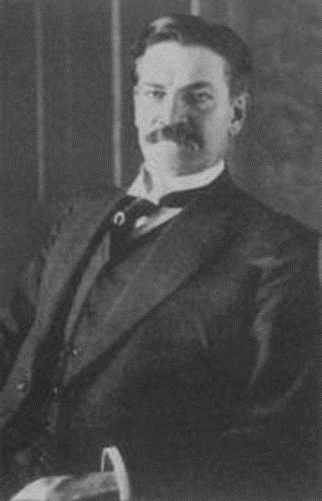
Image from: OceanGate’s TITAN Submersible Voyage to explore the Titanic Shipwreck turned into a Tragedy Part 8: Passengers(Part A)
Fig 15: Archibald Gracie IV, a writer, historian and real estate investor. Source: ALookThruTime
Image from: OceanGate’s TITAN Submersible Voyage to explore the Titanic Shipwreck turned into a Tragedy Part 8: Passengers(Part A)
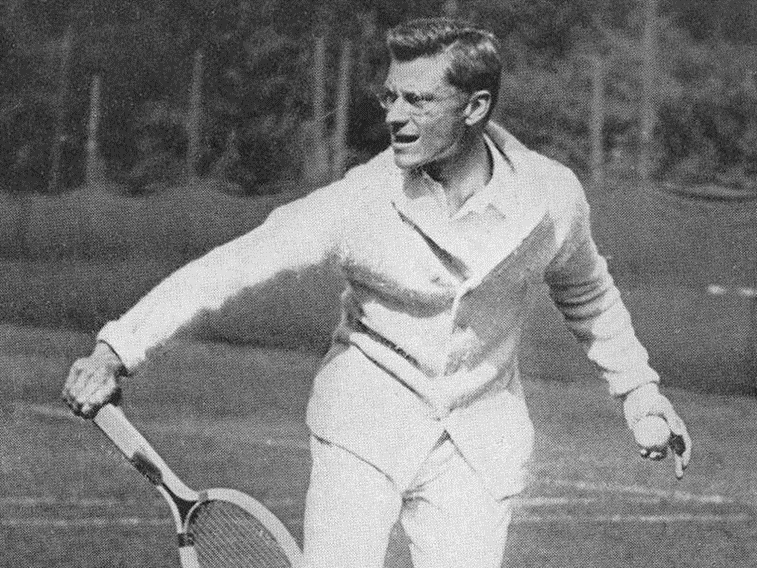
Fig 15: Karl Behr, a banker and tennis star. Source: Insider
Image from: OceanGate’s TITAN Submersible Voyage to explore the Titanic Shipwreck turned into a Tragedy Part 8: Passengers(Part A)
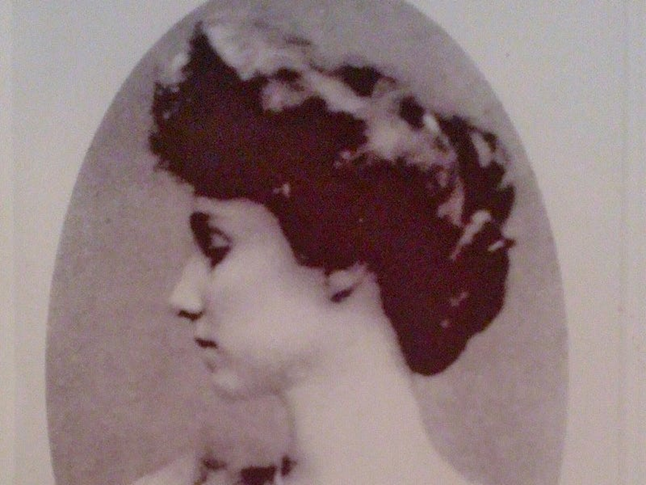
Fig 16: Noel Leslie, the Countess of Rothes, a popular figure in London society. Source: Insider
Image from: OceanGate’s TITAN Submersible Voyage to explore the Titanic Shipwreck turned into a Tragedy Part 8: Passengers(Part A)
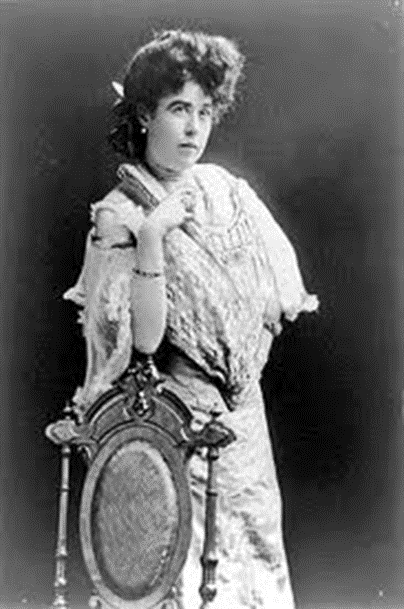
Fig 17: Molly Brown a socialite and philanthropist. Source: ALookThruTime
Image from: OceanGate’s TITAN Submersible Voyage to explore the Titanic Shipwreck turned into a Tragedy Part 8: Passengers(Part A)
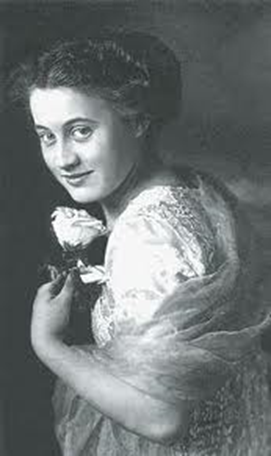
Fig 18: Dorothy Gibson a silent film actress a singer and dancer. Source: ALookThruTime

The most expensive suite sold on Titanic – with two bedrooms and a sitting room – was occupied by Charlotte Drake Cardeza, a yachtswoman, big-game hunter, and patron of the arts, whose family fortune is from her father, a wealthy textile-mill owner. She had travelled with her 36-year-old son Thomas Drake Martinez Cardeza and their maid and valet and had 14 trunks of luggage. (Fig 19) She had booked one of the most opulent suites aboard Titanic, B-51-53-55 that cost $3,200.
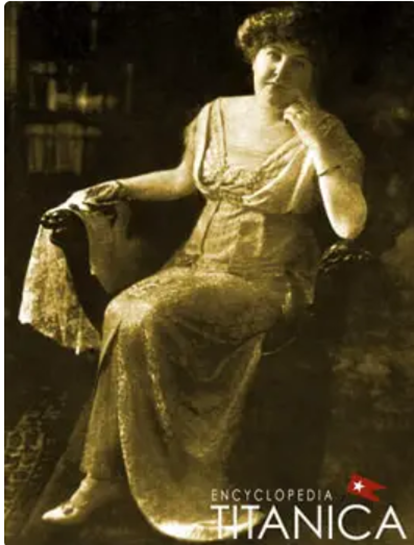
Image from: OceanGate’s TITAN Submersible Voyage to explore the Titanic Shipwreck turned into a Tragedy Part 8: Passengers(Part A)
Fig 19: Charlotte Drake Cardeza, a yachtswoman, big-game hunter, and patron of the arts, shown here c. 1911-12, brought many luxurious clothes with her aboard Titanic. Source: (Scott Memorial Library, Thomas Jefferson University), Encyclopedia

In the second class, there were leisure tourists, academics, members of the clergy and middle-class English, Scottish and American families. The average ticket was £13, which is around £1,400 in 2021.

Second-class women passengers dressed in nice gowns and accessorized with bracelets and necklaces whilst men would wear fine suits and leather shoes.

Amongst Second class passengers included Juozas Montvila and Thomas Byles Roman Catholic priests who conducted services for second class passengers (Fig 20), Lawrence Beesley a public school teacher traveling to America for a holiday ( Fig 21), Charles Aldworth, chauffeur of first class passenger, William Carter’s and Titanic’s musicians.
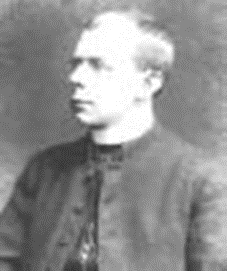
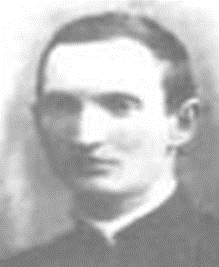
Image from: OceanGate’s TITAN Submersible Voyage to explore the Titanic Shipwreck turned into a Tragedy Part 8: Passengers(Part A)
Fig 20: Juozas Montvila and Thomas Byles Roman Catholic priests who conducted services for second class passengers. Source: History
Image from: OceanGate’s TITAN Submersible Voyage to explore the Titanic Shipwreck turned into a Tragedy Part 8: Passengers(Part A)
Source: History On The Net
Image from: OceanGate’s TITAN Submersible Voyage to explore the Titanic Shipwreck turned into a Tragedy Part 8: Passengers(Part A)
Fig 21: Lawrence Beesley a public school teacher. Source: ALookThruTime

The eight musicians on the Titanic had travelled as second-class passengers, ( Fig 22)
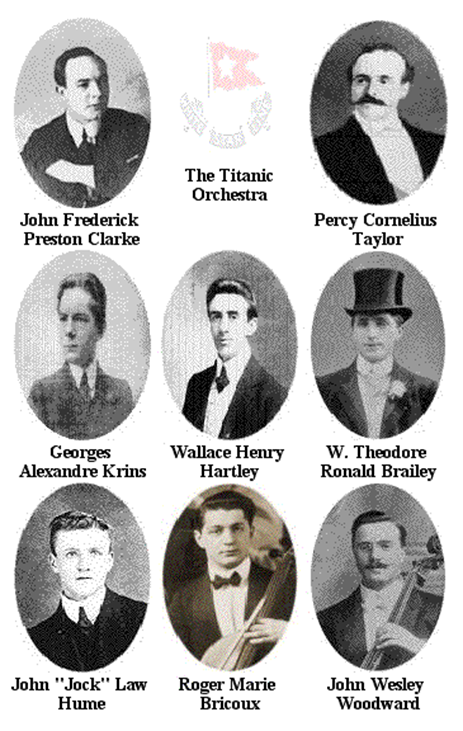
Image from: OceanGate’s TITAN Submersible Voyage to explore the Titanic Shipwreck turned into a Tragedy Part 8: Passengers(Part A)
Fig 22: The Titanic Orchestra are Second Class Passengers. Source: Ships and Things

Third-class passengers paid £7, (Fig 23) which is equivalent to £700 in 2021, for their ticket, which also included the price of rail travel to the three departure points. (Fig 24)
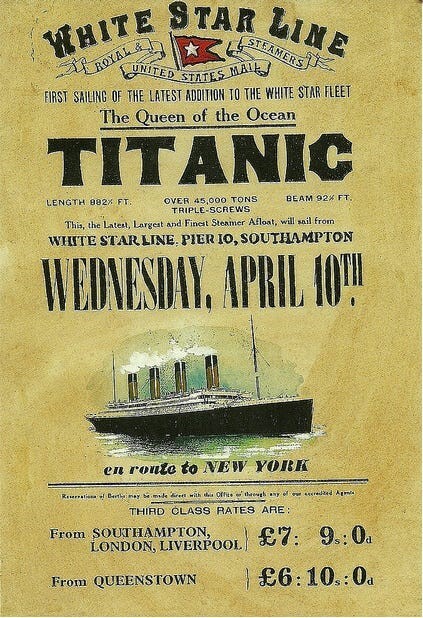
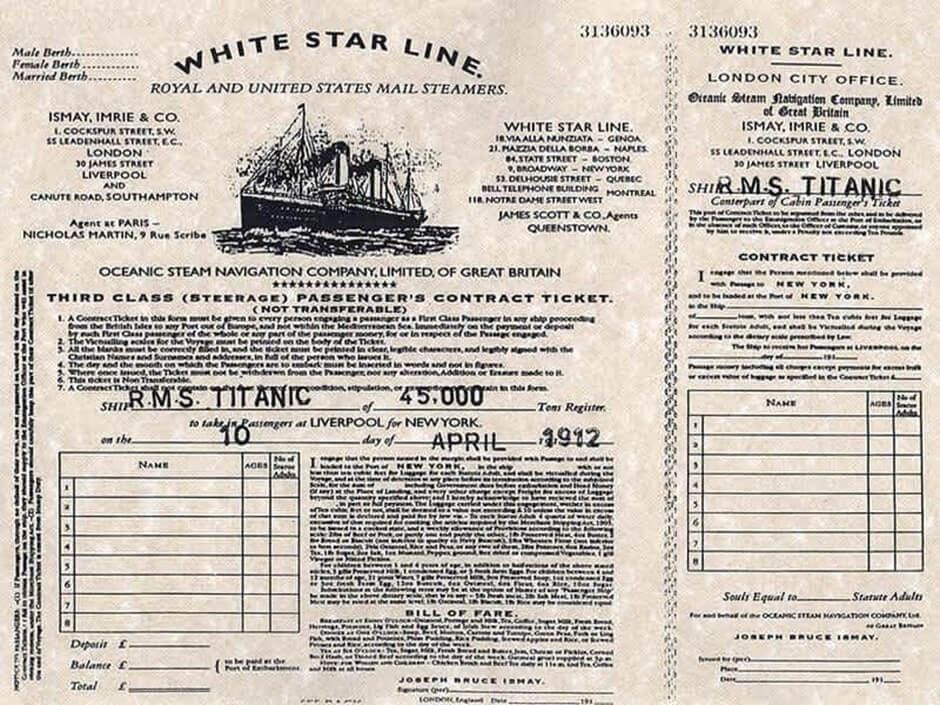
Image from: OceanGate’s TITAN Submersible Voyage to explore the Titanic Shipwreck turned into a Tragedy Part 8: Passengers(Part A)
Fig 23: Third Class Tickets sold at £7. Source: Retronaut
Image from: OceanGate’s TITAN Submersible Voyage to explore the Titanic Shipwreck turned into a Tragedy Part 8: Passengers(Part A)
Fig 24: A third-class ticket for the voyage, though this one is blank, and doesn't note any passenger information. You can see the London address of the company, White Star Line, as well as the stamped departure date of April 10, 1912. Source: Little Things

The Third class ticket on the Titanic is the least expensive one and the number of passengers is the largest, 709, compared to the first and second class passengers.

Most of Titanic’s third-class passengers were immigrating to America from Europe in search of work and the chance for a better life. They would have saved for years to buy a ticket, and most carried all their worldly possessions with them. "They'd have a suitcase or two that had all the clothes and all the belongings and all the memorabilia from their former life in Europe.

Many third-class passengers did not speak English and tended to stick close to their families during the trip and though there were exceptions, most third-class passengers were quite poor. The Titanic was the most luxurious place most of them had ever seen, with better living conditions than they had at home.

The White Star Line passenger list categorized the third class passengers into three types of emigrants: British, Irish and Non-British. (Table 2).

There were around 120 Irish passengers, 63 Finnish passengers, 26 Swedish passengers and 24 Belgians on board the Titanic.

Table 2: Categories of Third Class Passengers
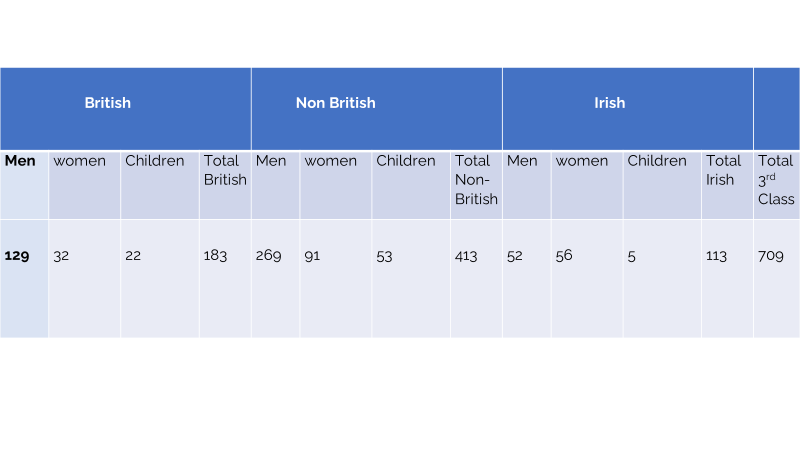
Image from: OceanGate’s TITAN Submersible Voyage to explore the Titanic Shipwreck turned into a Tragedy Part 8: Passengers(Part A)
Source: Encyclopedia

Cabins and Amenities

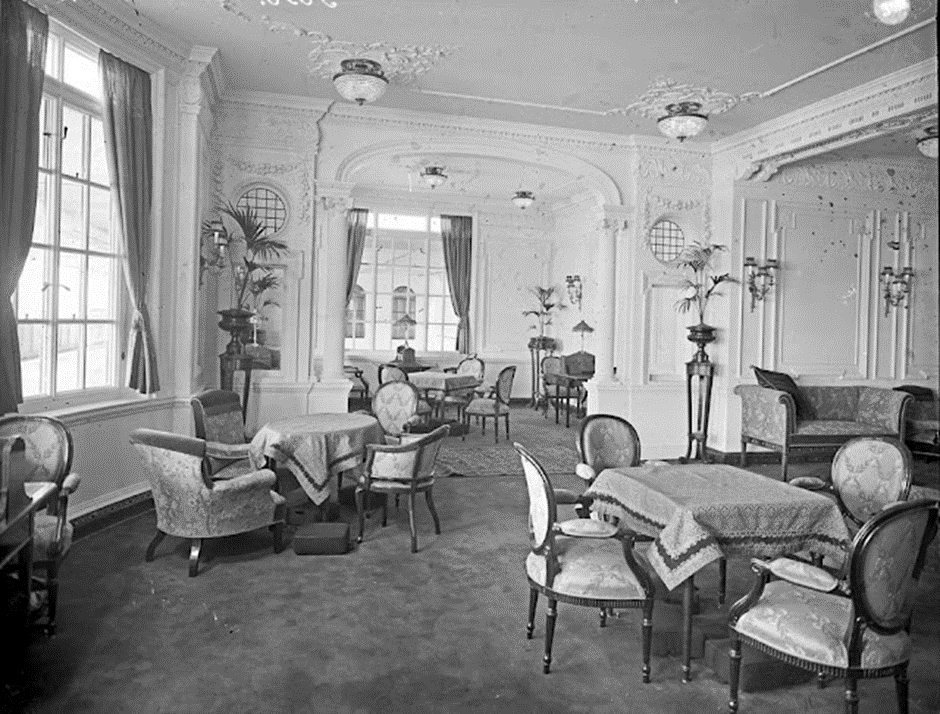
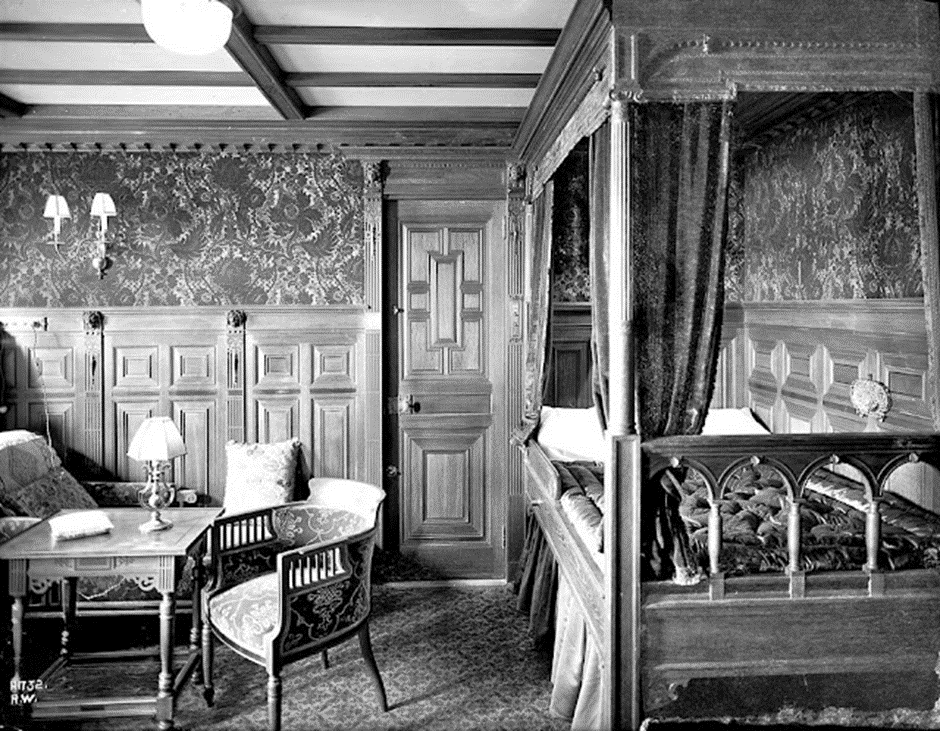
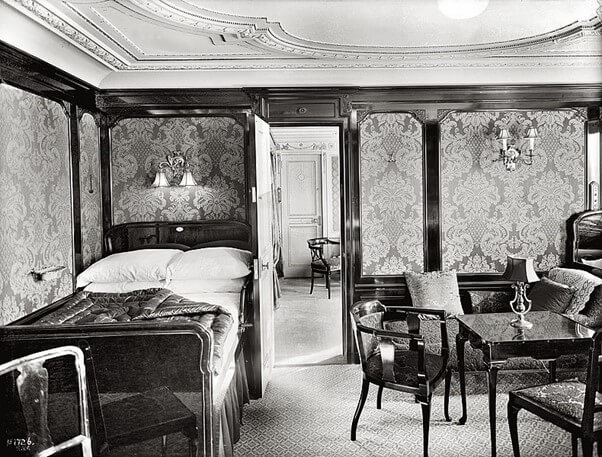
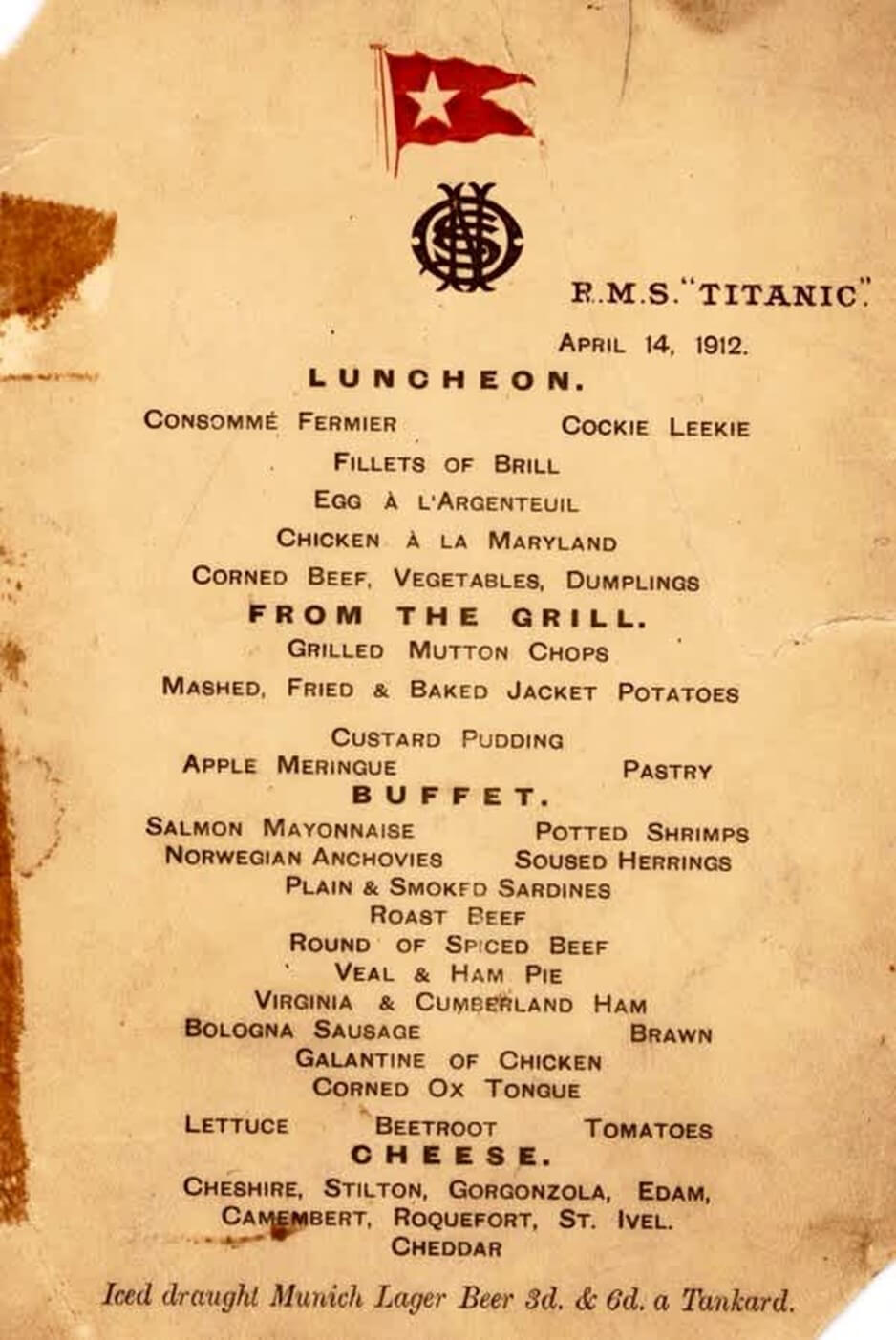
The Titanic which was designed to accommodate different classes of passengers: 1st, 2nd and 3rd class (commonly referred to as "steerage") and offers cabins, amenities and views in different areas of the ship. (Fig 24- Fig 32)

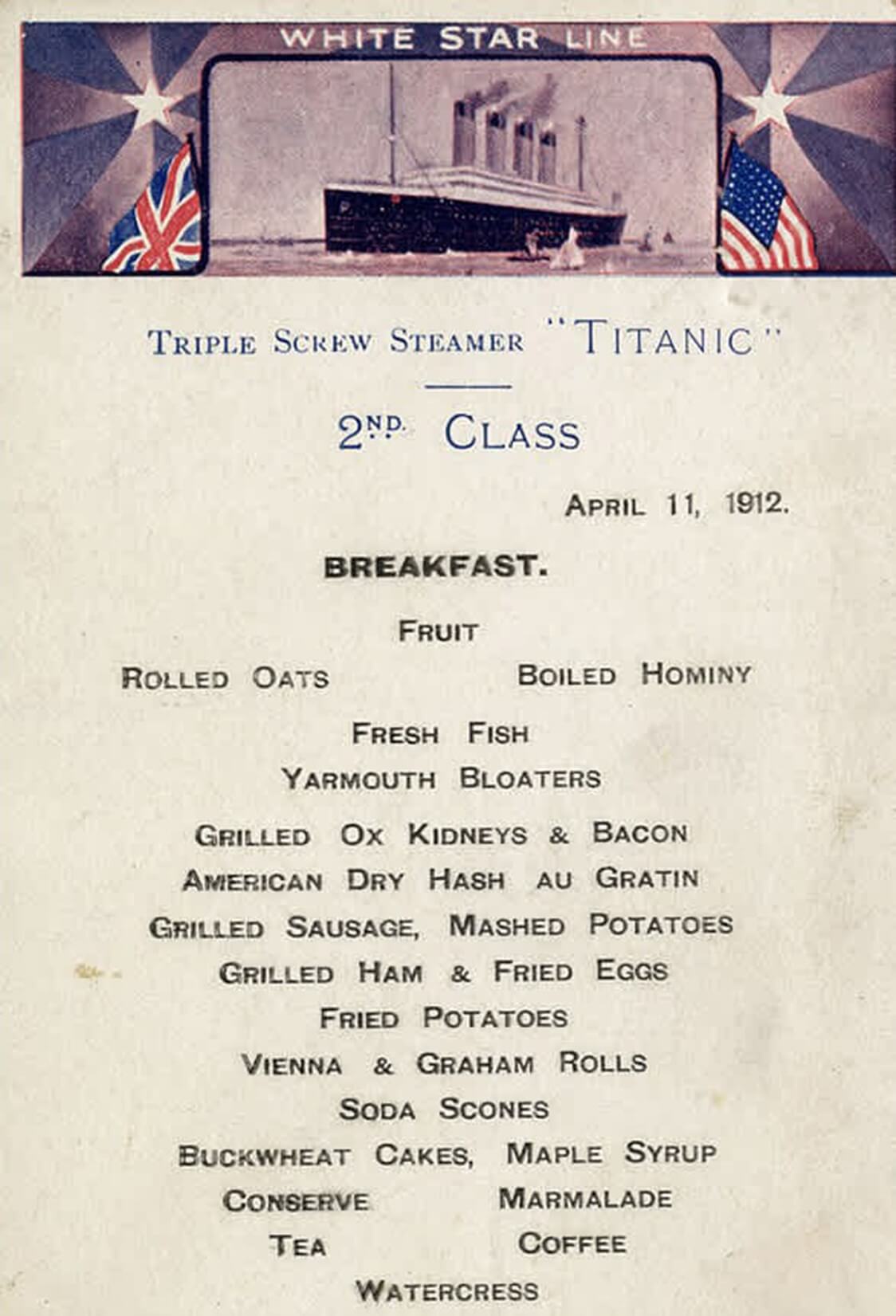
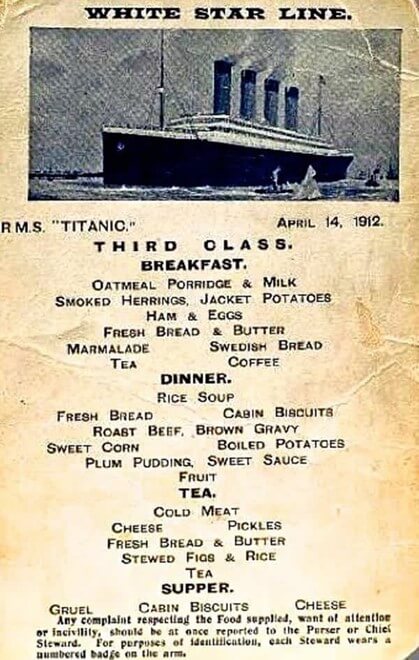
Passengers had different experiences of cabin, food (Fig 33- Fig 35) amenities, entertainment and views on board the Titanic depending on the tickets they had bought.

Each class of passenger experienced different levels of luxury and comfort. Although 3rd class accommodations were not as elegant as 1st or 2nd class, they were still very nice, especially compared to other ships.
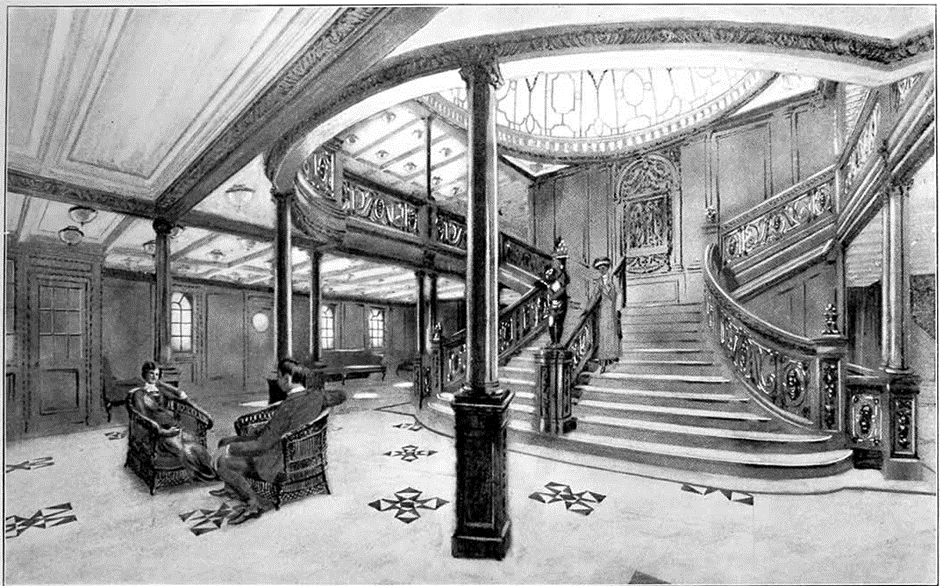
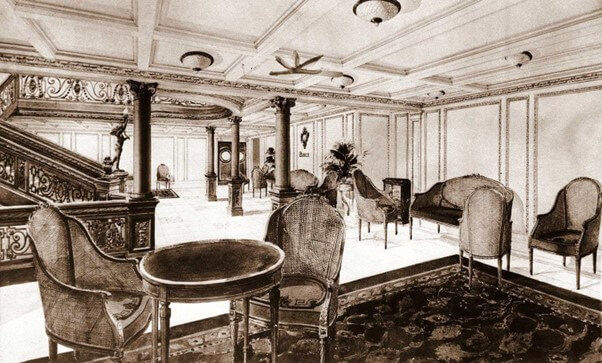
Image from: OceanGate’s TITAN Submersible Voyage to explore the Titanic Shipwreck turned into a Tragedy Part 8: Passengers(Part A)
Fig 25: But of all the ship's most famous interior details, probably the best-known is the Grand Staircase, a sweeping architectural element designed for first-class passengers. Source: Little Things
Image from: OceanGate’s TITAN Submersible Voyage to explore the Titanic Shipwreck turned into a Tragedy Part 8: Passengers(Part A)
Fig 26: Titanic Reception Room. Source: Click Americana
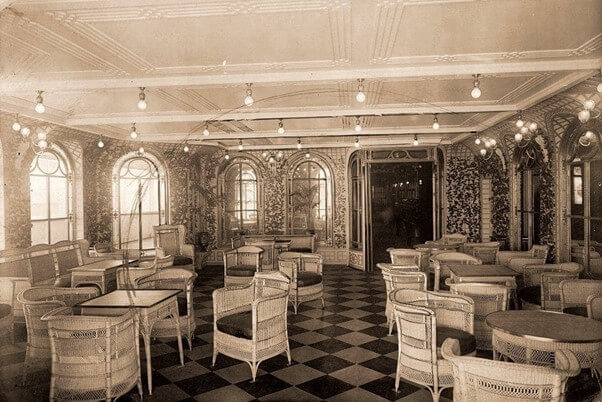
Image from: OceanGate’s TITAN Submersible Voyage to explore the Titanic Shipwreck turned into a Tragedy Part 8: Passengers(Part A)
Fig 27: Verandah Café and Palm Court. Source: Click Americana
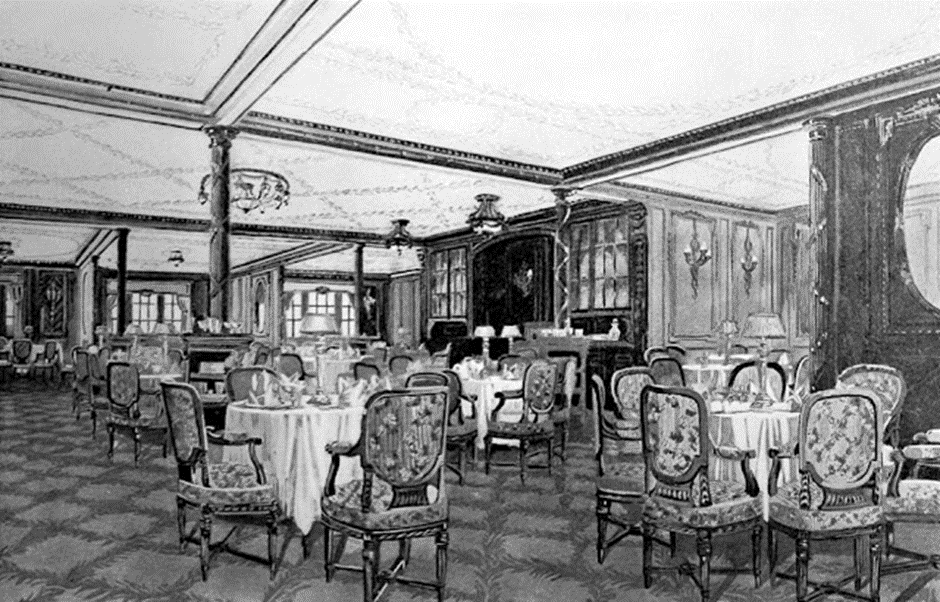
Image from: OceanGate’s TITAN Submersible Voyage to explore the Titanic Shipwreck turned into a Tragedy Part 8: Passengers(Part A)
Fig 28: The À La Carte restaurant aboard the RMS Titanic. Source: Vintage
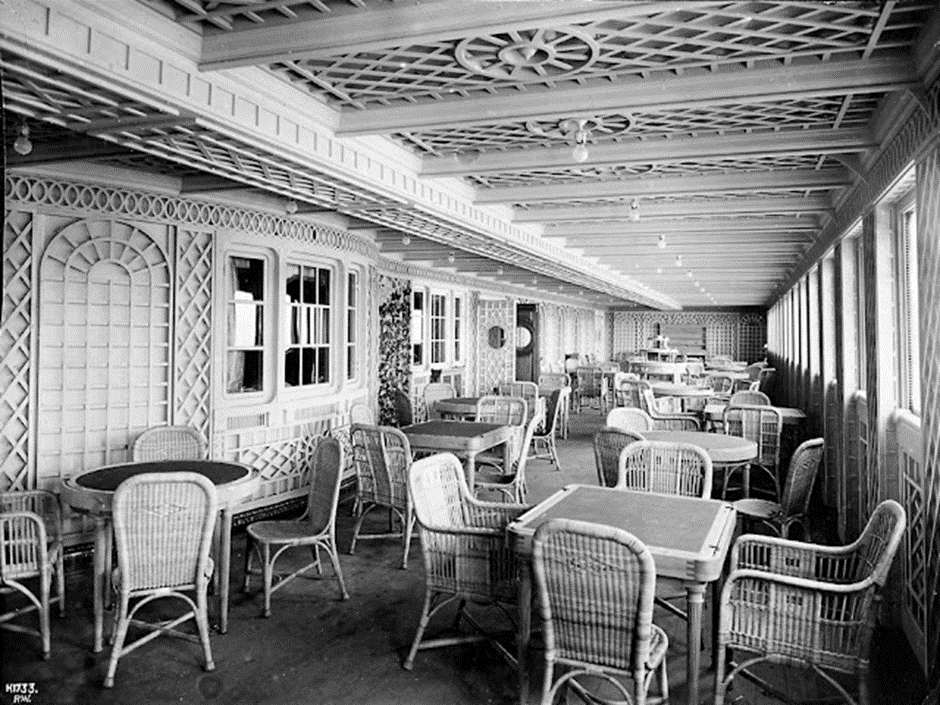
Image from: OceanGate’s TITAN Submersible Voyage to explore the Titanic Shipwreck turned into a Tragedy Part 8: Passengers(Part A)
Fig 29: Cafe Parisien. Source: Vintages
Image from: OceanGate’s TITAN Submersible Voyage to explore the Titanic Shipwreck turned into a Tragedy Part 8: Passengers(Part A)
Fig 30: The Reading and Writing Room was mainly for the use of first class women, given that gentlemen counted with the Smoke Room. Source: Vintages
Image from: OceanGate’s TITAN Submersible Voyage to explore the Titanic Shipwreck turned into a Tragedy Part 8: Passengers(Part A)
Fig 31: Stateroom B-59, decorated in Old Dutch style. Source: Vintages
Image from: OceanGate’s TITAN Submersible Voyage to explore the Titanic Shipwreck turned into a Tragedy Part 8: Passengers(Part A)
Fig 32: Titanic's First Class stateroom B-60. Source: Commons
Image from: OceanGate’s TITAN Submersible Voyage to explore the Titanic Shipwreck turned into a Tragedy Part 8: Passengers(Part A)
Fig 33: Menu for Titanic’s First Class Passengers. Source: Little Things
Image from: OceanGate’s TITAN Submersible Voyage to explore the Titanic Shipwreck turned into a Tragedy Part 8: Passengers(Part A)
Fig 34: Menu for Titanic’s Second Class Passengers. Source: Little Things
Image from: OceanGate’s TITAN Submersible Voyage to explore the Titanic Shipwreck turned into a Tragedy Part 8: Passengers(Part A)
Fig 35: Menu for Titanic’s Third Class Passengers. Source: Little Things

Looking forward to ultimate luxury in sea travel and beginning a new life in the United States

Passengers on board the Titanic, the then World’s largest liner in 1912 were looking forward to experiencing the ultimate luxury in sea travel as well as beginning a new life in the United States.

Read all parts: Part 1, Part 2, Part 3, Part 4, Part 5, Part 6, Part 7, Part 8


Sheriffah Dato Syed is a content creator under the Newswav Creator programme, where you get to express yourself, be a citizen journalist, and at the same time monetize your content & reach millions of users on Newswav. Log in to creator.newswav.com and become a Newswav Creator now!

The User Content (as defined on Newswav Terms of Use) above including the views expressed and media (pictures, videos, citations etc) were submitted & posted by the author. Newswav is solely an aggregation platform that hosts the User Content. If you have any questions about the content, copyright or other issues of the work, please contact Newswav.